The New Anatomy
of Influence

Marketing in the Age of Fragmentation

In the early 2010s, digital marketing felt simpler. There were only a few games in town that brands had to compete in and win: Google for search, display for awareness, and social media as a nice-to-have.

Then, social stopped being optional.

Then came the age of the influencer.

Then came countless platforms competing for user attention and the marketing dollars that followed.

Automation had its moment, and now the spotlight is on AI.

Marketers must do more than ever because attention is no longer concentrated in a few key arenas. Your audience is on TikTok, then on a website, then on an email list, then on Connected TV. They search on Instagram, turn to AI, and end up watching a YouTube influencer.

The immediate issue is keeping up with a landscape that continues to fragment and expand simultaneously.

The larger challenge is staying consistent and intentional across every channel.

That takes incredible coordination and execution: one story, told in many ways, everywhere your audience spends their time.

It starts with returning to our personas, understanding what matters to them, and building influence across every platform they touch with cohesive messaging.

Then we track it. Attribute it. Learn from it. And use those lessons to do it all again, smarter.

So, how do you approach a world where information and attention are scattered across platforms, behaviours, and moments?

You’ll find the answers in this year’s edition of The Yearbook.

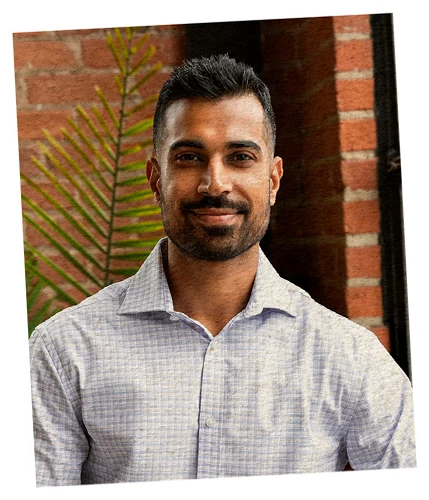
Noah Parker, Founding Partner,

The Influence Agency

A woman in denim and headphones strikes a pose on top of a globe

TheInternetDidn’tBreak.

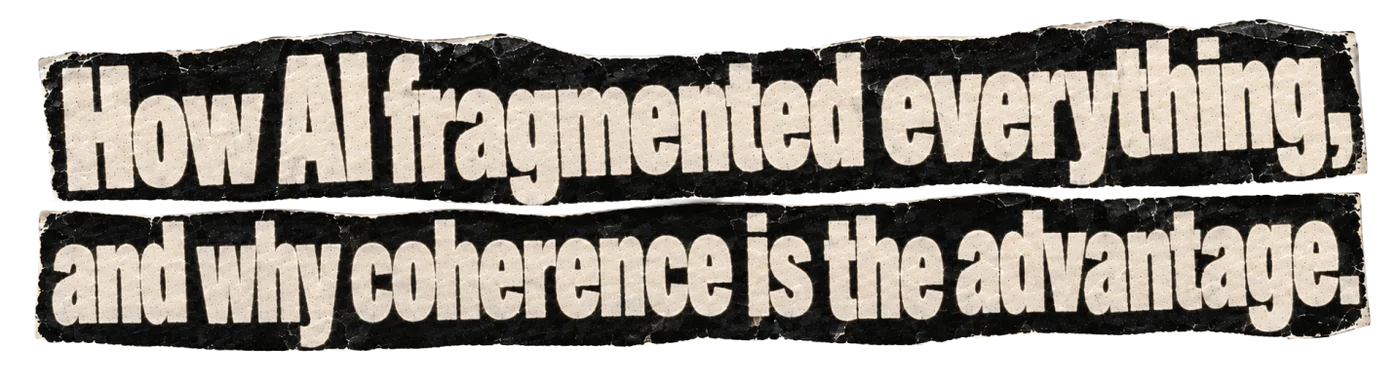
How AI fragmented everything, and why coherence is the advantage.

The marketing funnel didn’t die. It shattered, and your customers are taping the pieces to a million different walls.

The map no longer works

Picture the marketing funnel. You’ve probably built campaigns around it, mapped content to it, reported against it. Awareness at the top, consideration in the middle, conversion at the bottom. Clean, logical, useful.

Now picture that funnel crumpled up, torn into pieces, and handed one scrap at a time to millions of different people who each tape their piece to a different wall. That’s marketing fragmentation in practice, and where we’re at in 2026.

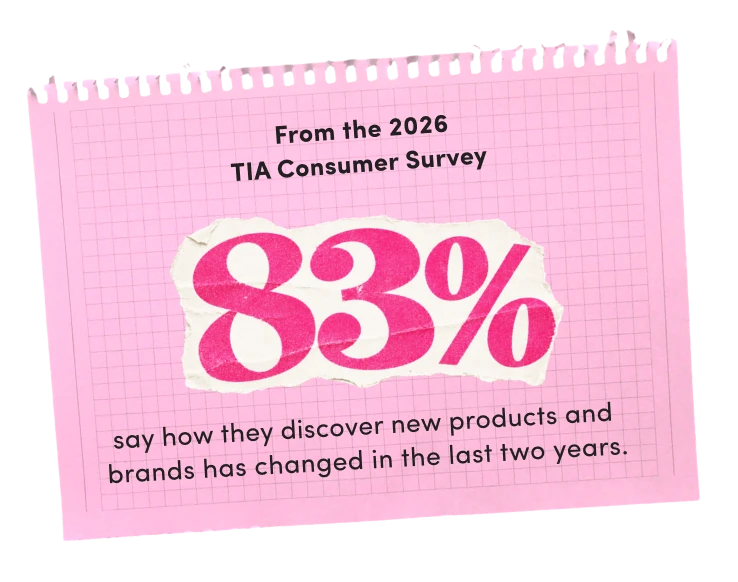
We ran our own consumer survey this year, and the headline was blunt: 83% of people say how they discover new products and brands has changed in the last two years. This doesn’t mean simply tweaking, or shifting slightly, but full on change.

The path your customers walk today looks almost nothing like the one your strategy was built around.

From the 2026 TIA Consumer Survey: 83% say how they discover new products and brands has changed in the last two years.

The external data agrees. A 2026 study from the programmatic firm MiQ, drawing on 53 million households and more than 700 trillion signals, found that close to half of consumers now describe their path to purchase as essentially random.1

Discovery, research, and purchase increasingly happen in the same place, minutes apart. The tidy funnel that organized marketing for two decades hasn’t just aged; it’s been replaced by something messier, faster, and far more human.

How the internet splintered

This isn’t a mystery of consumer behavior, but rather the predictable result of a decade of AI personalization marketing, now scaled by AI itself. Every feed, every search result, every recommendation is tuned to the individual. Two people in the same city, the same age, the same income, can open the same app and see entirely different worlds. This is internet fragmentation: millions of personalized internets.

Personalization delivered on its promise. McKinsey found that companies that do it well generate 40% more revenue than their peers.2 But it also shattered the shared consumer journey that made mass marketing legible.

There’s no longer a common entry point, no single discovery moment, no predictable handoff from awareness to intent. The echo chamber effect stopped being a side effect and it became the architecture.

“There’s no longer a common entry point. No single discovery moment. No predictable handoff from awareness to intent.”

Layer on what the writer Cory Doctorow calls enshittification: platforms that once served users quietly degrading the experience to chase revenue. Search results are buried under ads and AI-generated text. Feeds where the people you follow sit beneath recommendations and promotions.

The open, discoverable web of a decade ago has hardened into a set of walled gardens, each with its own logic, rules, and data. AI accelerated it all, and now the distance between a brand and its customer has grown wider, stranger, and much more difficult to map.

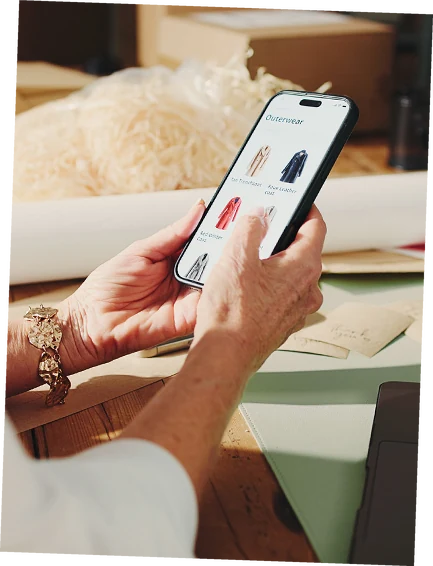
An older woman’s hands holding a phone open to an online clothing store, beside a laptop

The scrapbook consumer

From the other side, it looks like someone half-watches a brand on TikTok and screenshots it. Two days later, they Google the name in a coffee line, read a Reddit thread, ask an AI assistant, catch a creator mentioning it on YouTube, and go back to the screenshot. Then they buy. Or they don’t, because the Reddit thread sent them somewhere else, or the assistant named a competitor. This isn’t an edge case; it’s the default.

The journey from awareness to purchase is no longer a line. It’s a scrapbook, assembled from pieces collected across platforms and moments, in an order no brand planned and no funnel predicted.

This means the consumer is the curator now. They collect pieces of your brand and arrange them by their own logic. Your job is to give them pieces worth keeping.

“The consumer is the curator now. They collect pieces of your brand and arrange them by their own logic.”

Why fragmentation makes brands incoherent

Most brands still operate as if the funnel were intact. Awareness on one platform, conversion on another, creator content on a third, email on a fourth, each piece optimized for its own channel and none designed to work together in the hands of someone assembling their own path.

What this results in is incoherence, pieces that don’t hold together. A brand that’s urgent on paid, considered on YouTube, playful on TikTok, and corporate in email isn’t running a multichannel strategy.

It’s running four different brands and hoping nobody notices.

Coherence is the advantage

So this book isn’t an obituary for the funnel. It’s a field guide to what replaced it. Over the next six parts, we map the forces pulling your audience apart:

  • the collapse of discovery,
  • the rise of behavior over demographics,
  • the platform mosaic,
  • the collector’s approach to content,
  • and the new architecture of influence.

Then we put them back together with a framework built for exactly this. The through-line is simple: in a fragmented world, you don’t win by being louder. You win by being coherent, with one recognizable thread running through every scattered piece.

Fragmentation is the condition, and coherence is the strategy. We tell you here how to build it.

Which Reader Are You?

This report argues there's no single consumer journey anymore. There are millions, and yours is one of five recognizable ways of moving through a fragmented world. Find the one that sounds like you, then follow it through the book as you read.

Start here

When you discover a new product or brand, it usually starts with:

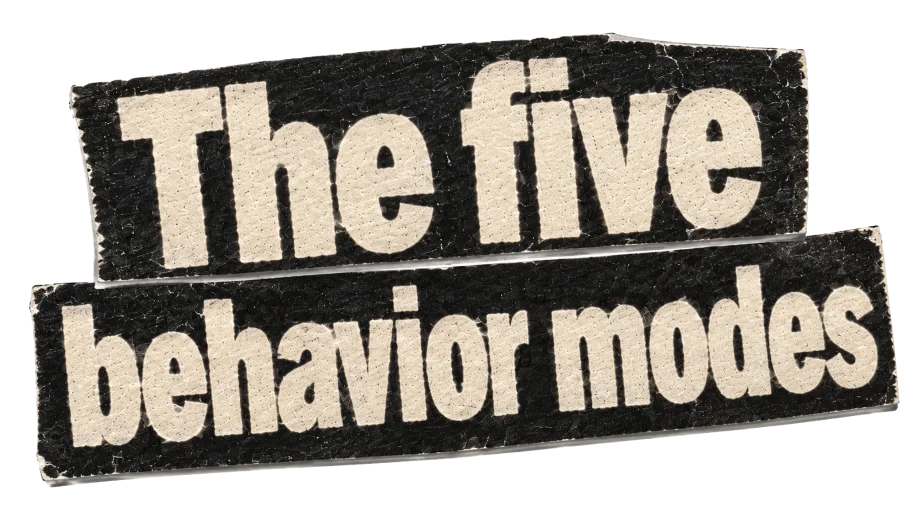
The five behavior modes in brief

How to Read this Book

You just found your mode, now here’s how to use it. Throughout, you’ll see a color
on the section openers, and beside certain callouts. Each color belongs to one of
the five modes. When you see yours, that section speaks most directly to how you
decide. Follow your color to read the book your way. Or read it cover to cover and
notice how often you recognize yourself. Most people are mainly one mode, with a
second close behind, and that’s the entire point. A fragmented world can still be
navigated, once you know your own pattern.

Want the scored version, or want to see how you compare? Take the full quiz at https://theinfluenceagency.com/whats-your-mode or scan the code. Then watch for your mode through the book.

QR code linking to the full quiz Take the full quiz

Part 1

The Great
Unraveling

From “just Google it” to “wherever the algorithm takes you.” The collapse of predictable discovery.

For twenty years, discovery had a front door. You typed a question into Google and clicked a blue link. That door is being quietly bricked over . . . and nobody sent the memo.

The front door had a name

For twenty years, discovery had a shared front door. When you wanted to find something, you Googled it. One box, one method, one habit so universal it turned into a verb. Behind that habit sat an entire infrastructure of predictability. Brands knew that if someone was looking for what they sold, there was one place that person would start, and a known set of moves to be found there.

That piece is discovery.

The Introduction to this book argued that the funnel was shattered. Part 1 is about the piece that broke first and broke hardest. Before a consumer can research you, validate you, or buy from you, they have to find you. Discovery is the foundation on which the rest of the journey stands. More to the point, discovery, as a shared and predictable thing, is gone.

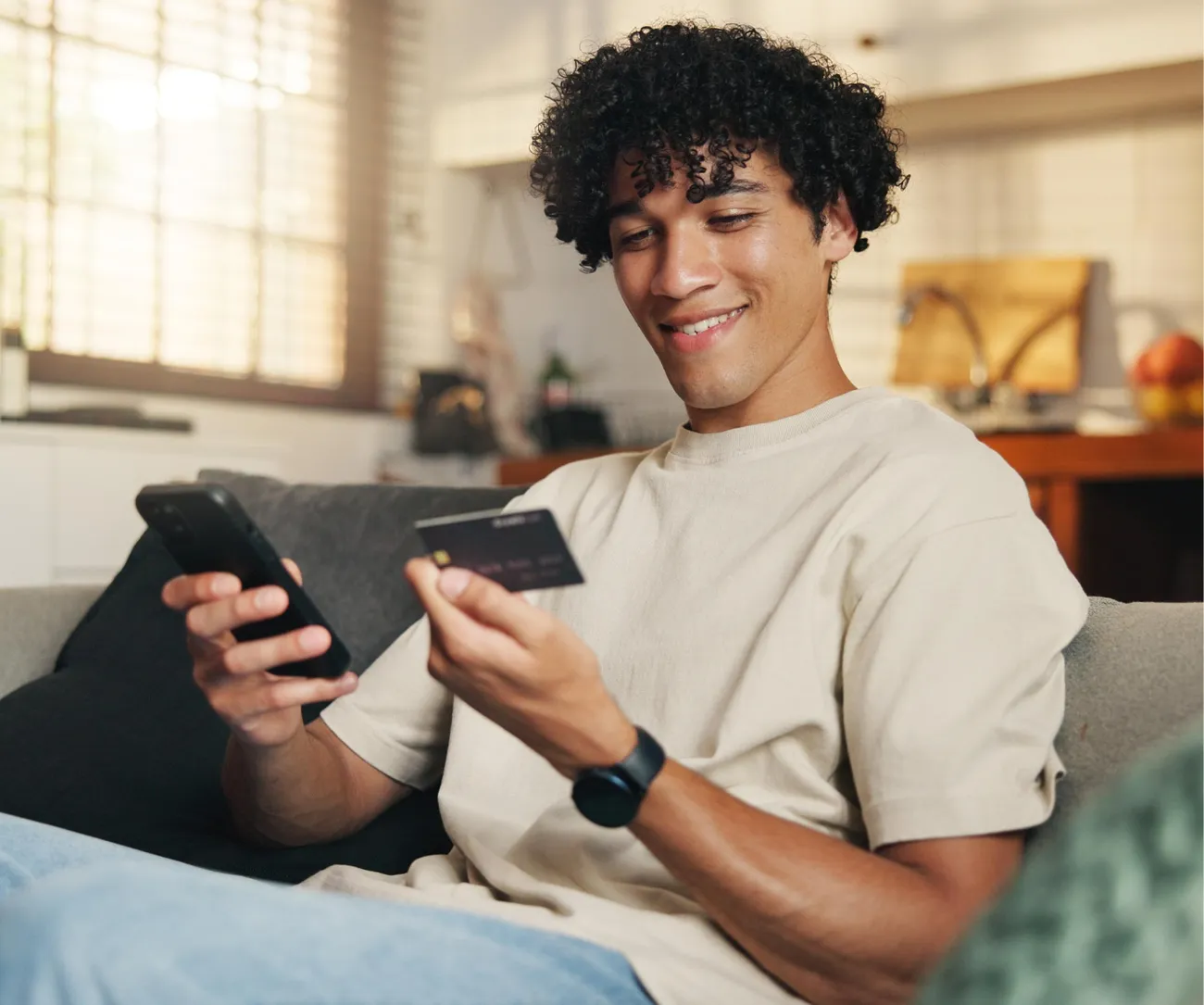
A young man on a couch smiling at his phone while holding a credit card

Search didn’t die. It scattered.

The mistake is to read this as a story about Google losing a little ground, because it’s bigger than that. Search itself has splintered into a dozen different behaviors, and none of them is dominant.

What makes this so disorienting for brands is that the same person uses these doors differently depending on mood and moment. The careful researcher weighing a major purchase behaves nothing like the same person half-watching TikTok on the couch. The channel a brand invested in last year might not be the door its customer reaches for today. You’re no longer optimizing for a path, but are trying to be present across an unpredictable set of them.

Our own numbers make the scattering concrete. In our 2026 survey of North American consumers, discovery no longer starts in one place. Instagram led at 57%, TikTok at 49%, and YouTube at 30%. Google, the supposed front door, came in at just 27%, and ChatGPT accounted for 14%. These are all in play at once, and every consumer assembles a different combination.

This isn’t a fringe shift, either. Visits to AI search tools grew roughly 43% year over year in early 2026, reaching more than 27 billion in a single quarter, according to Wix’s AI Search Lab3. The single discovery path didn’t give way to a new single path. What’s happened is that it was replaced by many, and the map is being redrawn all while we watch.

“Search didn’t die. It scattered into a dozen front doors, and every consumer now walks through a different one.”

The new first filter answers even before you arrive

The most consequential shift sits right at the start of the journey. AI answer engines, ChatGPT, Perplexity, and Google’s own AI Overviews now stand in front of the old list of blue links. They read the sources, condense them, and deliver a finished answer on the page. For a growing share of questions, the search result is the destination. There’s no next step.

Consumers are ready for this in a way many brands aren’t. In our survey, 75% said they’re comfortable or very comfortable using AI tools, and 14% already name ChatGPT as a place they start looking. The behavior isn’t waiting for permission; it’s here.

The numbers on the other side are stark. Roughly 60% of Google searches now end without a single click to any website, and in Google’s AI Mode, that figure climbs to around 93%. When an AI Overview appears above the results, organic click-through rates drop by about 61%, according to Seer Interactive4. A controlled Pew Research study5 found people clicked through nearly 47% less often when an AI summary was present.

Read those numbers again, because they describe something genuinely new. The customer asked their question, and the machine answered it. Your brand, even if it supplied the underlying information, was never seen.

Analysts have started calling this the great decoupling:6 search demand holding steady or rising, while clicks to actual websites fall away. The demand didn’t disappear; the path from demand to your door did.

It also rewrites the goal. Ranking first is worth far less when first still sits below an answer the user never scrolls past. The prize is no longer the top link, but rather being the source the answer is built from, the brand the machine decides to cite.

Citation is a measurable ground worth fighting for. Seer Interactive found that brands cited inside an AI Overview earn roughly 35% more organic clicks than those left out of it. The old contest was for a position on a page. The new one is for inclusion in an answer. The brands that grasp the difference are pulling ahead, while the rest stare at falling traffic charts looking for a cause they won’t find in their rankings.

When discovery lives on rented land

The brands that felt this first were the ones whose entire model rested on a single channel they didn’t own. When the terms of that channel changed, there was nowhere to stand.

External Example: Chegg

Signal or Noise?

Chegg built a business on ranking for homework questions on Google. When AI answer engines began solving those questions directly on the results page, the traffic didn’t dip; it fell off a cliff. The company reported non-subscriber traffic down 49% in January 2025, filed an antitrust lawsuit against Google over AI Overviews that February, and cut 22% of its staff in May and a further 45% in October, with its stock trading near a dollar.

TIA’s verdict: Signal, and a warning. Chegg’s collapse isn’t a Chegg problem. It’s what happens to any brand whose discovery lives entirely on a channel it doesn’t own. The lesson isn’t “abandon search.” It’s “never let one rented front door be your only way in.”

Sources: Chegg earnings statements and antitrust filing; CNBC; Search Engine Land (2025).

Hands holding a phone open to a clothing app above a laptop keyboard

The internet is also splintering on purpose

Some fragmentation is algorithmic; some is deliberate. National regulators are drawing digital borders. Platforms are sealing their ecosystems so their content only works fully within their own walls. Publishers are signing exclusive licensing deals and locking their material behind paywalls, and increasingly behind lawsuits against the AI companies scraping it.

The open, universally accessible web that “just Google it” quietly assumed is separating into many internets, divided by geography, platform, and commercial interest. What surfaces for one person, in one place, at one moment, doesn’t surface for the next. There’s no longer a single version of the internet to discover and be discovered on.

Infinite content, finite trust

Underneath it all runs the same engine. AI has made producing content almost free. Text, images, video, and audio now pour into every feed and every index at a volume no human effort could ever have matched. But attention didn’t scale with supply, and trust scaled least of all.

That inverts the old problem. For most of the internet’s life, the challenge was getting access to information. Now information is infinite, close to worthless by the unit, and often synthetic. The scarce resource is a reason to believe any of it. In a landscape of endless plausible answers, being trusted isn’t a nice-to-have; it’s the whole damn contest.

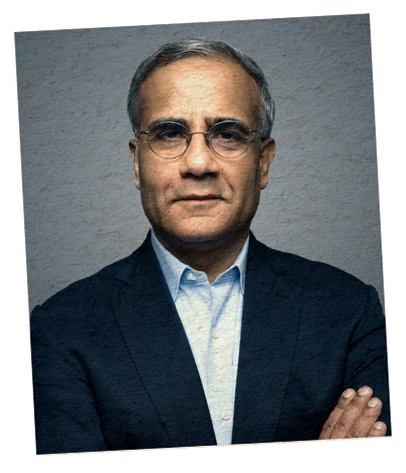
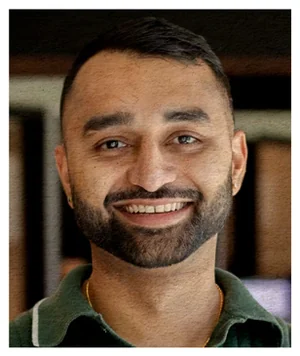
Portrait of Amrit Singh

Amrit Singh

Associate Director, SEO

The Influence Agency

“The initial hit from AI Overviews/LLM Citations is done
and now what we’re seeing across the accounts is traffic
plateauing, and in some cases growing again. For one
of our health and wellness clients, we pivoted into AI
structuring, schema, and evergreen content, and clicks are
now up 55% year-over-year, with local traffic climbing too.

The mistake is treating visibility and traffic as the same
goal; they’re not anymore, so we’re always innovating to
build alternate paths to grow both at once. Every client
wants to be ‘the cited source,’ and that’s a great ambition,
but the real conversation is making sure you’re
the right source for the right audience.”

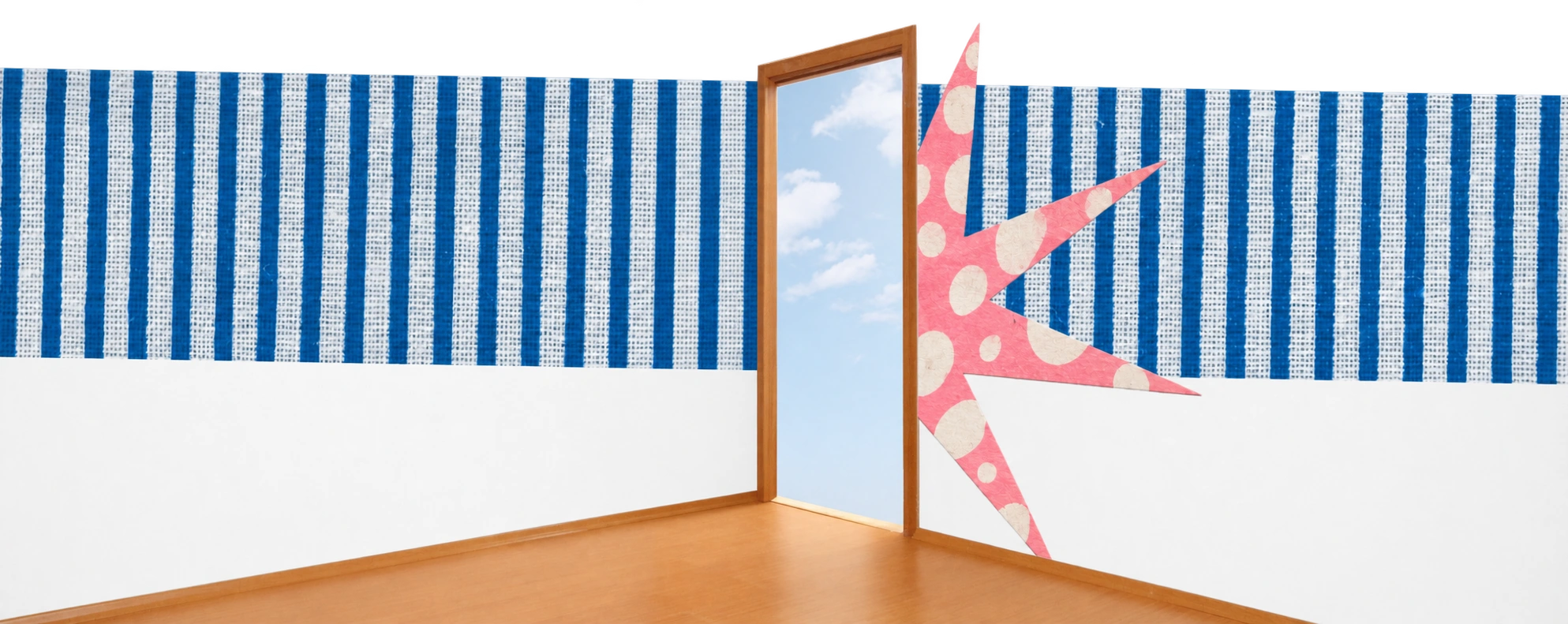
An empty room with striped wallpaper and a door opening onto blue sky

“You can’t own the front door anymore. You can own being worth citing when the machine picks a source.”

What survives the unraveling

If you run marketing for a brand, none of this is abstract. It’s the quiet dread of watching a dependable traffic source flatten with no obvious cause. It’s briefing five channels that each seem to be working, while the whole isn’t. It’s knowing the ground has shifted without being able to name the day it happened.

That feeling isn’t a failure of effort; it’s an accurate read of an environment that genuinely changed underneath you. Naming it is the first step and building for it is the rest of this book.

What survives the unraveling

Here’s the uncomfortable conclusion, and the useful one. You can’t own the front door anymore, because there’s no longer a front door to own. What you can own is different and more durable.

You can own being findable in every place discovery now happens. You can own being worth citing, building content specific and credible enough that an answer engine quotes you as its source rather than skipping you for someone else.

You can also own the relationship once you’ve earned the attention, capturing people into channels you control, so the next change to someone else’s algorithm is an inconvenience instead of a catastrophe.

None of that is nostalgia for the old search box. It’s the opposite. It accepts that discovery has come apart, and it builds for the world that replaced it.

The chapters that follow are all downstream of this one. Fragmented consumers, scattered platforms, saved content, networked influence, and finally a framework to hold it all together. Each is a response to the same rupture that begins here, at the moment your customer goes looking and finds the map no longer works.

The unraveling starts with discovery and so does the rebuild.

“Brands don’t need to be everywhere,” says Noah Parker, a founding partner at The Influence Agency. “They need to be undeniable wherever their customers go looking for confidence. Discovery is no longer a linear path from search to website. It’s a network of validation across AI, search, social, reviews, creators, and communities, where every touchpoint reinforces or contradicts the last. The brands that win will understand where their audience seeks answers, proactively address their questions and concerns, and ensure every digital signal tells the same story.”

In an era where AI synthesizes information instead of simply ranking it, your digital consensus has become your greatest competitive advantage, he adds.


THE TIA VIEW · IN PRACTICE

When a brand’s discovery breaks, our first move isn’t more content. It’s a map. We audit where a brand is being found, and where it’s gone invisible, across search, social search, and the AI answer engines that now sit in front of Google. Most brands learn they’ve been optimizing for a front door their customers already stopped using.

From there, we rebuild for the new discovery layer instead of the old one. That means Search Engine Optimization for the queries that still convert, Answer Engine Optimization and Generative Engine Optimization so the brand becomes the source AI tools cite rather than the link they skip, and content built to be quoted, versus just crawled. It also means capturing that hard-won attention into channels the brand owns, so the next algorithm change is an inconvenience, as opposed to a crisis.

Findability is no longer a ranking metric. It’s a presence across every place discovery now happens.

An arched wooden double door standing open

Part 2

The Fragmented
Consumer

Generational marketing still matters, but in 2026, behavior is the new demographic

A 45-year-old and a 22-year-old just discovered the same brand the same way. Two 22-year-olds did it completely differently. In 2026, age tells you less than it ever has.

Last year, we sorted people by age

Last year’s playbook sorted audiences by generation, and it worked, up to a point. Boomers here, Gen Z there, a message tuned to each. For a long time, age was the single best predictor of behavior a marketer had. In 2026, it’s a fraying one. It happened faster than anyone could have predicted. This tells us how quick things are moving in the age of artificial intelligence.

Generational targeting worked because, for decades, people of the same age genuinely did share a media diet. They watched the same channels, read the same magazines, and saw the same ads at the same time. Demographics were a decent proxy for shared experience, but it’s this proxy that broke. The shared media diet is petering out, and is being replaced by billions of individually tuned feeds. A proxy for something that no longer exists stops being useful.

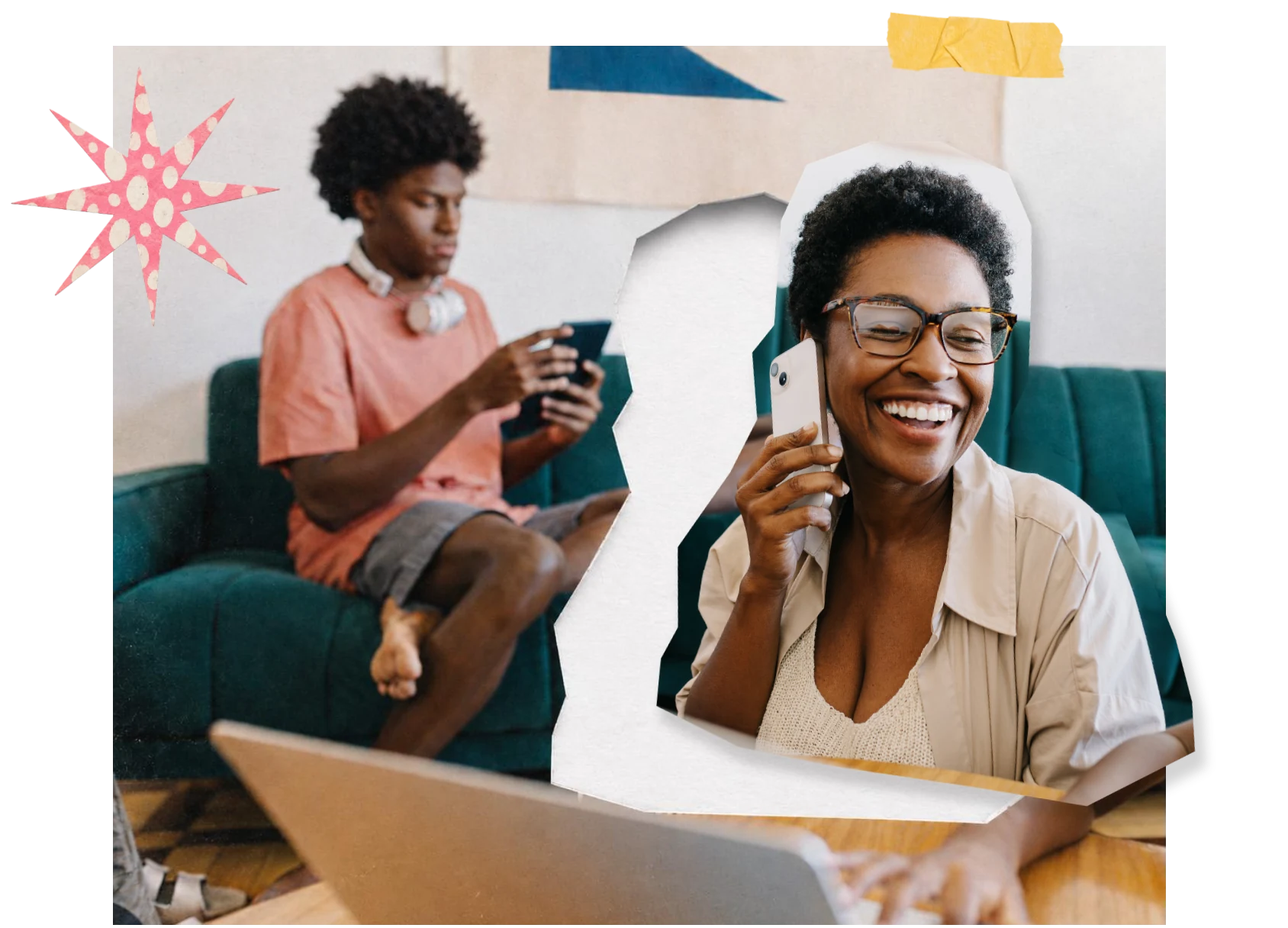
A young man scrolling his phone on a green couch, with a laughing woman on a phone call cut out and pasted over the photo

The reason is everything Part 1 described. When discovery scatters and every feed is personalized, people stop sharing inputs. In our 2026 survey of North American consumers, 87% said their version of the internet looks different from what their friends and family see. Two people the same age, in the same city, now scroll past almost entirely different worlds. If their inputs don’t match, their behavior won’t either, and a birth year can no longer tell you how they’ll act.

Behavior is the new demographic

Generational marketing still matters. Life stage shapes budgets, priorities, references, and taste, and we’re not throwing any of that out. But the thing that now truly predicts how someone discovers, evaluates, and buys is no longer the decade they were born in. It’s their behavior: the pattern of how they move from not knowing you to choosing you. A 45-year-old and a 22-year-old can run that pattern identically, and two 22-year-olds can run it in opposite directions.

This is an evolution of last year’s thinking. Generation still tells you plenty, and a campaign that ignores life stage will misfire. What changed is reliability. Age used to be the strongest single signal available. Now it’s one input among many, and rarely the sharpest. What happened, you ask? Behavior overtook it.

You can watch age come loose from behavior in almost any category. Two men in their fifties: one reads every spec sheet before buying a drill, the other taps “Buy now” on a tool a favorite creator demoed, no research at all. Two women in their twenties: one screenshots outfits for months before purchasing, the other never buys anything her group chat hasn’t blessed. Same ages, opposite behaviors. The demographic they share predicts almost nothing about how to reach them.

That pattern of behavior is what we call a mode. It isn’t a personality type, and it isn’t fixed. It’s the gear a person is in for a given decision, and it predicts far more than the demographic box they tick.

“Age still matters. It just stopped being destiny.”

The five modes

Across our 2026 survey of 336 North American consumers, five patterns kept recurring. We call them the five behavioral modes. You met them briefly at the front of this book, on the page that asked which reader you are. Here they are in full. Most people are mainly one mode, with a second close behind.

The modes came out of the survey’s behavioral questions. We asked how people discover, how often they save, who they trust, how they feel about buying inside an app, how they use AI, and which content stops their scroll.

The five patterns are what those answers clustered into. These aren’t archetypes we invented and hope you recognize. They’re the shapes your own market already makes.

The tells

The tells

Modes aren’t invisible. Each leaves a fingerprint you can see in the data.

  • Seekers generate long research sessions and comparison queries.
  • Surfers reward format over depth: in our survey, short-form video beat every other ad format combined as the thing people say they’ll engage with, chosen by 193 of 336 respondents. That’s the Surfer signal writ large.
  • Collectors show up as saves and bookmarks rather than likes.
  • Validators leave multi-tab, multi-platform trails before they ever convert.
  • Instant Deciders compress the whole journey into a single session.

Read the behavior, and the mode announces itself.

None of these signals needs a survey to see. They’re sitting in your own analytics right now: in the ratio of saves to likes, in session depth, in how many touches come before a conversion. The modes are a lens for data you already have.

Nobody is only one mode

Here’s the part that makes this practical rather than just tidy. Nobody lives in one mode. The same person is a meticulous Seeker for a five-thousand-dollar purchase and a pure Instant Decider for a four-dollar one. Mode shifts with category, context, budget, and mood, exactly the way discovery shifted in Part 1.

That’s why this is behavioral segmentation. You’re not labeling a person for life; you’re meeting a decision where it is.

Category is usually the biggest lever, but it isn’t the only one. Time pressure pushes even a committed Seeker toward Instant Decider behavior. A high price tag pulls an Instant Decider back into Seeker caution. A low-trust category, supplements or anything health-related, turns almost everyone into a Validator. The mode is a reading of the moment, and the moment moves.

It’s also why a brand can’t just declare “our customer is a Validator” and stop. The same person you win with social proof this month may arrive next month as an Instant Decider, primed and ready, needing only a clear path. The job isn’t to pick one mode to serve, but to build so that whichever mode a person shows up in, there’s a door that fits.

This means fewer targets

It’s tempting to read five modes as five times the work. It’s usually the opposite. A demographic-first plan quietly fractures into dozens of segments by age, gender, region, and income, each getting a slightly different message that still misfires because it ignores how those people truly decide.

Mode-first collapses that sprawl into five clear intentions. You’re no longer guessing at forty micro-audiences; you’re serving five ways of deciding, and almost everyone is a blend of just two of them. That’s a simpler brief.

External Example: Liquid Death

Signal or Noise?

Liquid Death’s audience spans demographics wildly, from teenagers
to retirees. What they share isn’t an age. It’s Surfer energy: trend-
responsive, creator-adjacent, happy to pass along whatever’s
funniest in the feed.

The brand treats shares as its key metric because it sees itself
competing with the feed itself, and the approach has carried it to a
valuation of around $1.4 billion and more than 14 million followers.
Liquid Death didn’t target a generation; it targeted a disposition.

TIA’s verdict: Signal. You can build a mass brand on a shared
behavior instead of a shared birth year, and the model travels.
Define the behavior you serve, then show up wherever that behavior
lives. The one caveat: disposition-first only works if the behavior is
real and specific. “Everyone who likes fun” isn’t a mode. “People who
share the ad because it’s the funniest thing in their feed” is. Liquid
Death picked a real one.

Sources: Liquid Death company reporting and press coverage, 2025 to 2026.

Portrait of Rishad Tobaccowala

Rishad Tobaccowala

Author & Senior Advisor

Publicis Groupe

“In today’s environment, brands face channel fragmentation
and also buyer fragmentation as consumers will soon use
agents to shop for them. In this world of rapidly personalized
and even anticipatory targeting, the brands that stand out
as genuinely human and differentiated will succeed. To
build such a human brand, companies must ensure trust,
make human customer service available immediately upon
request, and guarantee their products offer a differentiated
advantage based on a human need.”

THE TIA VIEW · IN PRACTICE

When we plan a campaign, we don’t start with an age bracket.
We map the audience to the five modes and ask which ones
drive the category, then we build creative for those modes
rather than one message for the average of everyone.

In practice, that means the same product often runs several
parallel storylines: a proof-led version for Seekers, a feed-
native cut for Surfers, a save-worthy asset for Collectors, a
social-proof angle for Validators, and a fast, frictionless path
for Instant Deciders.

The tell that it’s working is when results diverge by mode rather
than by demographic. That divergence is the whole argument
for behavioral targeting, made visible in the numbers.

What this means for how you build

The shift is simple to state and hard to do. Stop leading with who your customer is, and start with how they decide. Any single demographic contains all five modes, so one message pitched at “women 25 to 34” will land for some of them and miss the rest. Picture that exact segment:

  • One is deep in tabs comparing ingredient lists.
  • One will only ever find you mid-scroll.
  • One has already screenshotted your product into a folder she’ll revisit in three weeks.
  • One won’t move until her group chat weighs in.
  • One will buy the second she sees it.

That’s why so many technically well-targeted campaigns still feel like they’re missing.

Build for the mode instead. Give Seekers the proof, Surfers the feed-native moment, Collectors something worth saving, Validators the social proof, and Instant Deciders the frictionless path. Same brand, five doors in.

This is also why the framework doesn’t stop at the page. The five modes drive how we segment the audience for the digital edition of this very book and how the microsite routes each reader, so the editorial and the delivery are the same idea. The book argues for meeting people in their mode. We built it that way too.

“Stop asking who your customer is. Start asking how they decide.”

Because a mode isn’t tied to a platform, the same person changes modes as they move between apps. Which is exactly where Part III picks up. Platforms are no longer stages with fixed roles; they’re tools your audience picks up and puts down.

Part 3

The Platform
Mosaic

Stop treating platforms like stages. Start treating them like tools your audience picks up and puts down.

The same person uses TikTok, Google, and Reddit for three different jobs in a single afternoon. The platform didn’t assign those roles; they did.

“Platforms no longer own a role. Your audience assigns them one.”

Platforms stopped being stages

Last year’s model treated platforms as stages in a neat discovery-to-conversion arc, each with a fixed job: TikTok for awareness, Google for research, the website for the sale. In 2026, that model breaks. People jump between platforms unpredictably and assign each one a role based on the mode they’re in, as opposed to the function the platform was built for. Platforms no longer own a role. Users hand them one.

So a real cross platform marketing strategy in 2026 isn’t picking a handful of platforms and pushing the same thing across all of them. It’s understanding the job each platform is doing for your audience in a given moment, and showing up to do that job well.

The mosaic, tile by tile

Here’s how the pieces function now, defined by how people use them rather than how the platforms describe themselves.

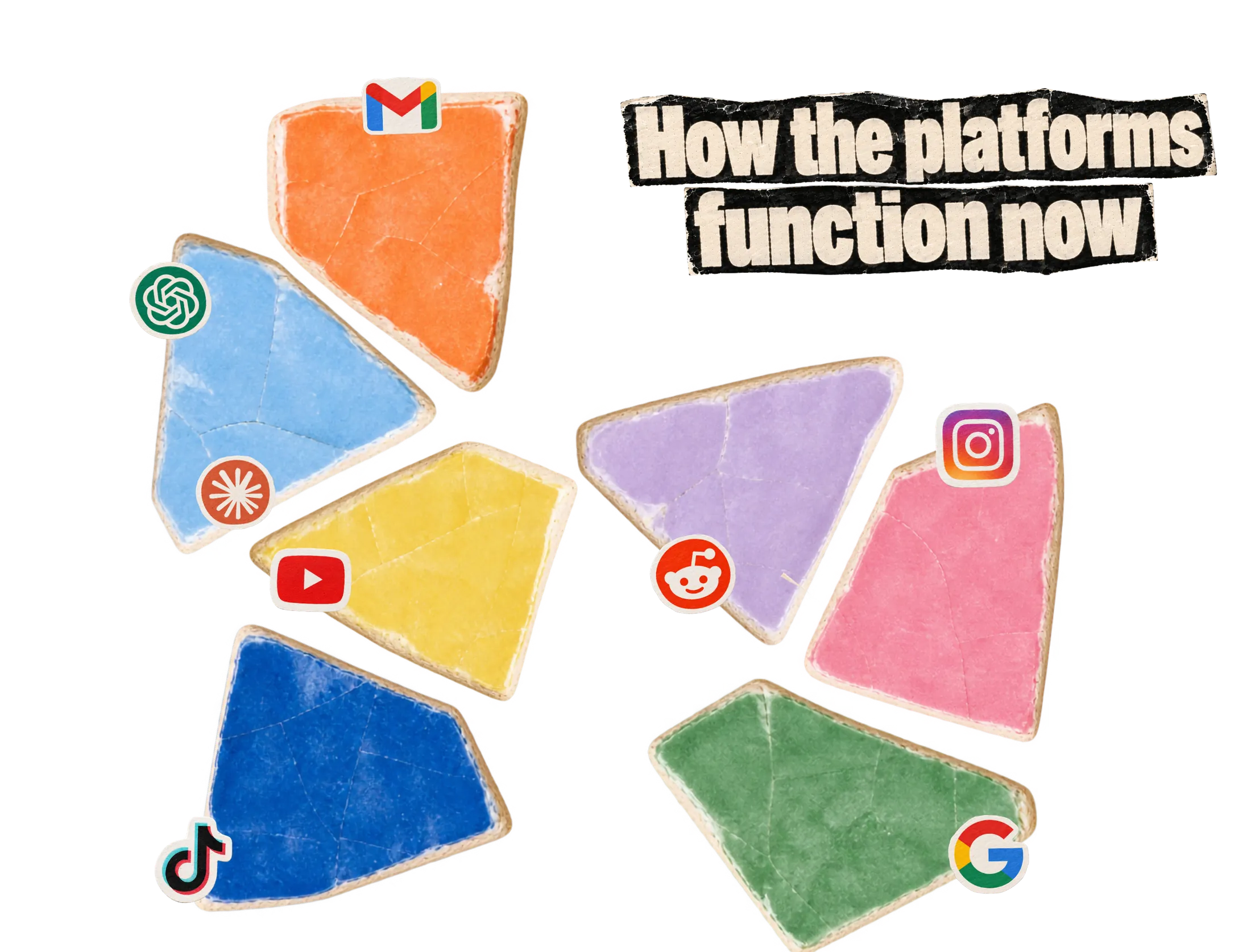
How the platforms function now: torn paper tiles for email, AI assistants, YouTube, TikTok, Reddit, Instagram and Google

Email and newsletters,
the loyalty layer. The
one channel you own,
and the antidote to
fragmentation for brands
willing to earn it.

AI assistants, the first
filter. Condensing and
directing research
before anyone
reaches you.

YouTube, the depth
engine. Still the
library, now doubling
as the second-opinion
validator.

TikTok, the spark. Discovery
and early research fused
into entertainment. Often
the first place a brand
is found. This is where a
TikTok marketing strategy
earns discovery.

Reddit and communities,
the raw voice. The last
unfiltered layer of peer
influence.

Instagram, the
social showroom.
Identity, aspiration,
and conversion
layered into one
surface.

Google, the credibility
layer. Less the starting
line, more the truth-
check people run before
they commit.

  • Email and newsletters, the loyalty layer. The one channel you own, and the antidote to fragmentation for brands willing to earn it.
  • AI assistants, the first filter. Condensing and directing research before anyone reaches you.
  • YouTube, the depth engine. Still the library, now doubling as the second-opinion validator.
  • TikTok, the spark. Discovery and early research fused into entertainment. Often the first place a brand is found. This is where a TikTok marketing strategy earns discovery.
  • Reddit and communities, the raw voice. The last unfiltered layer of peer influence.
  • Instagram, the social showroom. Identity, aspiration, and conversion layered into one surface.
  • Google, the credibility layer. Less the starting line, more the truth- check people run before they commit.

Same brand, different rooms

The instinct is to pick one brand voice and broadcast it everywhere. That reads as tone-deaf in 2026, because each platform is a different room with different social rules. The strongest social media platform strategy treats every platform as its own room and behaves accordingly, while keeping the one thread that makes it unmistakably your brand in all of them.

External Example: Duolingo

Signal or Noise?

Duolingo runs a different personality on every platform and it works.
Its TikTok is absurdist and creator-native; its email is earnest and
gamified; and its LinkedIn is disarmingly self-aware.

Same brand, radically different platform behavior, because each
version fits how people show up in that room.
Duolingo didn’t pick
one voice and broadcast it. It read the room it was in and behaved
accordingly.

TIA’s verdict: Signal. This is the cross-platform playbook in one
brand. The discipline isn’t being loud everywhere; it’s being fluent
in each platform’s native language while staying recognizably
yourself.
The caveat: different personalities still need one connective
thread, or difference curdles into incoherence.

Sources: widely reported 2024 to 2026 campaign coverage.

THE TIA VIEW · IN PRACTICE

We start a cross-platform brief by auditing
the role each platform plays for a client’s
audience, then we build a distinct job for each
one, instead of copy-pasting a single campaign
across all of them. Same thread, different
rooms. The lift usually shows up per channel:
engagement rises when the content finally fits
the platform it’s on.

A red toolbox full of social app icons on torn brown paper

Buying happens in the room now

Instant Decider

Increasingly, the room is also the checkout. People don’t always leave a platform to buy; they buy where they are.

In our 2026 survey, the average person rated their likelihood to buy directly on social a 5.9 out of 10, and 51% put themselves at 7 or higher. In-feed buying isn’t fringe behavior anymore; it’s a coin flip already tilting toward yes.

Today, multi platform marketing means the path to purchase lives inside the platforms.

You can’t be everywhere. Be right where it matters.

The pressure to be on every platform is a trap, because presence without fit is just noise you paid for. Find the platforms where your audience truly assigns you a role, and play that role well. Being genuinely right in three rooms beats being vaguely present in eight.

Whichever room they’re in, the thing your audience does with your best work is the same: they keep it, which is where Part 4 begins.

Geoffrey Blanc

General Manager

Cyberimpact

“Email is one of the only channels where you
actually own the relationship with your customer.
It’s consent-based by design; people have to opt
in before you can reach them, and that level of
permission gives you room to communicate 1:1
instead of broadcasting and hoping an algorithm
decides who sees it. Loyalty, to me, is delivering
enough value that someone wants to keep
showing up, supporting you, engaging with what
you send. Owned, consent-based marketing is
what makes that possible to build over time.”

Nihal Mandanna

CP, Director of Growth

Cyberimpact

“Someone who opts in to your list has raised their
hand and given you permission to engage with them
directly. That’s a different starting point than social,
where you’re constantly re-earning attention from
someone who could scroll past in half a second. With
email, that initial trust is already there, so you’re not
spending your energy convincing someone you’re
relevant; you can just focus on being useful to them.
Do that consistently, and you build a loyal base of
customers you can always reach without algorithms
getting in the way.”

Tyson Huggins

Head of Performance

The Influence Agency

“There are no longer centralized funnels where
users generally convert. Just as we all have our own
personal preferences shaped by browsing, research,
and social behavior, we also choose to interact with
brands differently. ... There’s no singular approach
to how users interact. This is why you have to be
omnipresent through multiple channels to capture the
purchase intent of users at their channel of choice.
Marketers who neglect these channels are leaving
conversions on the table, as there’s no longer a
centralized hub where all your audience congregates.”

Part 4

Content in the Age
of the Collector

Your content isn’t being consumed. It’s being saved, filed, and used as evidence.

Ninety-one percent of people screenshot or save content to come back to. Your best work isn’t being watched; it’s being filed.

From consuming to collecting

Content used to be consumed linearly. You watched it, read it, scrolled past it, and it was gone. Now it’s collected: saved, revisited, screenshotted, and deployed as a proof point in someone’s own decision.

In our 2026 survey, 91% of people said they save, screenshot, or bookmark content to come back to, and 68% do it all the time. The scrapbook stopped being a design metaphor for this book; it’s the actual behavior.

What people save tells you what they value. The top reasons were information useful enough to return to, a product they were seriously considering, and an idea or aesthetic worth keeping. Usefulness, intent, and inspiration. Notice what isn’t on that list: went viral.

Volume stopped working

The dominant content trend of the last decade was volume: post more, on more channels, more often. In a fragmented, AI-saturated feed, volume is now mostly noise you paid to produce. What the content marketing trends of 2026 reward is the opposite: depth, relevance, and reusability. Content solid enough to be saved once and used many times.

No single format wins

There’s no single winning format anymore, because each one does a different job. Short-form earns discovery, long-form earns validation, email earns commitment, and creator point-of-view earns trust. A content strategy that bets everything on one format is optimizing for one moment in a journey that now has many. The broader content marketing trends all point the same way: match the format to the job, instead of the algorithm of the week.

Build the standalone artifact

Screenshot culture sets a hard requirement: your content has to work as a standalone artifact, stripped of its caption, its thread, and its context, because that’s how it travels. If a screenshot of your post still makes sense, and still points back to you, three weeks later in someone’s camera roll, you built it right. Personalized marketing gets the right artifact to the right person, but the artifact still has to survive on its own.

External Example: Wealthsimple

Signal or Noise? Wealthsimple

Wealthsimple built a content and
education layer that people treat as a
reference. Its explainers and guides pull
a large share of their traffic from non-
branded searches, people looking for an
answer, and finding it there. That saved,
returned-to, trusted-reference behavior
is exactly the Collector at work, and it
has run alongside the company crossing
well over $100 billion in assets under
administration.

TIA’s verdict: Signal. Content built to
be kept and re-used compounds in a
way campaign content never does. The
caveat: this only works if the content is
genuinely useful on its own terms. The
moment it tilts back into a disguised sales
pitch, the Collector stops saving it.

Sources: Wealthsimple company reporting
and coverage, 2025 to 2026.

Ross Simmonds

Founder

Foundation

“Content built to be saved outperforms content built
to be seen because of longevity. When you publish
something so valuable that people are willing to save
it, that’s a signal there’s utility value there, something
they’ll return to time and time again. Think of it like
a great book. You don’t read a great book once and
throw it away. Right now it’s easier more than ever to
create content. Images, graphics, charts, video, AI has
changed all of it, and because of that, there’s more
noise than ever in our feeds. Businesses need to be
thinking about how they show up, and the answer isn’t
to show up once. It’s to show up consistently, across
the right channels, with content that’s actually worth
someone’s time.”

Alethea Spiridon

Associate Director, Content

The Influence Agency

“Saved content does a job the scroll can’t. People
screenshot the thing they’ll need later, the recipe, the
framework, the line that finally said it right, because it
solves a problem they haven’t finished having. Content
you forget entertained you for a second. Content you
save earns a second visit, and that second visit is where
trust begins. A like costs nothing and means about
as much; a save is a small act of respect, someone
deciding your content deserves a place in their own
collection. You earn that only by being genuinely useful,
truly beautiful, or worth remembering. Ninety-one
percent of people are already curating, and you don’t
game your way onto that list. You earn it.”

Saved is where we’re at

The metric that matters quietly moved from seen to saved. A view is borrowed attention, gone the moment the thumb moves. A save is a commitment to return. Build for the save, and the seeing takes care of itself. The moment someone shares what they saved, they’ve become part of how the next person discovers you.

Which is influence, and it’s the subject of Part 5.

Someone sitting cross-legged with a coffee, surrounded by a laptop, magazines, makeup and shoes laid out on a rug

THE TIA VIEW · IN PRACTICE

Our content work is built around the save,
not the impression. We design assets to
stand on their own, a framework, a checklist,
a reference, so they keep circulating and
crediting the brand long after the post date,
and so they earn a place in the audience’s own
collection. The signal we watch for isn’t reach
on day one. It’s whether a piece is still being
shared and saved months later.

Part 5

The New Architecture
of Influence

Influence was a hierarchy. Now it’s a network. Here’s how to build inside it.

People rate trust in friends and family at 4.01 out of five. Asked who they trust most, just 16 of 336 chose the brand itself. Influence didn’t die. It moved to people who aren’t you.

From funnel to network

Influence used to flow from the top down. A big name spoke, a large audience received, and the brand paid for the size of the megaphone. That’s a hierarchy. In 2026, influence forms through micro-networks of trust instead: creators acting as windows rather than megaphones, niche communities acting as validators, and peer proof outweighing public proof. The funnel became a loop.

Our survey maps it plainly:

  • People rate trust in friends and family at 4.01 out of five.
  • Micro-influencers, at 3.09, outscore paid or verified accounts at 2.72.
  • Asked who they trust most about a purchase, only 16 of 336 people chose the brand itself.

An influencer marketing strategy built on borrowing trust from the right people, rather than broadcasting your own, is simply reading that data honestly.

Creators are trust anchors

The old brief bought reach: the biggest following, the most eyeballs, the lowest cost per thousand. The influencer marketing trends that matter now buy trust: fit, credibility, and community alignment.

A creator’s real value isn’t how many people they reach. It’s how many of those people believe them.

Niche beats mass

In a fragmented landscape, a niche marketing strategy outperforms a mass one, because trust concentrates in small, specific communities. The creator economy trends point the same direction: mid-tier and micro creators with tight, engaged niches routinely convert better than celebrities with broad, shallow reach. Smaller room, stronger belief.

Jeremy Roach

Head of Performance

SocialPruf

“Brands working with influencers are after
scale and velocity, distributing across both
owned channels and creators. The days of
one big splash are over. The tide has shifted
toward incrementally scaling programs with
wide reach, while staying narrow.”

Jackie Tambosso

Account Director

The Influence Agency

“One of the biggest shifts we’ve seen is that influence is
no longer about broadcasting a message to the biggest
audience possible; it’s about earning trust within the
right communities. The creators driving the strongest
results today aren’t necessarily the ones with the largest
followings; they’re the ones whose audiences genuinely
trust their opinions and recommendations.For brands, that means success isn’t just about finding
one ‘perfect’ creator. It’s about building a network
of voices that each bring credibility with different
communities. When those partnerships feel authentic,
and creators have the freedom to tell the story in their
own way, that’s when you start to see real impact.”

AI is the silent curator

Underneath all of it, AI decides who sees what, and when. It’s the invisible hand shaping distribution, and it works as an influence trigger in its own right: a spark on TikTok can ignite a deep-dive on YouTube because the algorithm connected them.

So you’re no longer only influencing people. You’re influencing the systems that decide which people ever see you.

External Example: Poppi

Signal or Noise?

Poppi scaled on the back of a community of creators and
early believers before it was a mainstream name. It was peer
proof, versus brand proof, that carried it, and the brand’s
job was to be worth talking about and easy to amplify. That
networked momentum helped carry it to a roughly $1.95
billion acquisition by PepsiCo in 2025.

TIA’s verdict: Signal, with a caveat. The networked, creator-
led rise is real and repeatable: recognize the community
forming and move fast to support it. The caveat is that Poppi
also spent heavily on mass media and has faced scrutiny over
its health claims, so don’t read it as proof that creators alone
do all the work. They start the fire but don’t always finish it.

Sources: acquisition and campaign coverage, 2025.

THE TIA VIEW · IN PRACTICE

As an influencer marketing agency, we brief
for trust fit before reach. We match creators
to a client’s audience by community and
behavioral mode, which is why a well-chosen
micro creator so often outperforms a bigger,
looser placement. Reach is easy to buy; belief is
harder to secure.

The number we care about isn’t follower count.
It’s whether the right community acts on the
recommendation.

Be worth talking about

In a network, a brand can’t control the narrative. It can only be worth talking about and easy to amplify. That’s the whole job now, being the most repeatable voice in the room.

“In a network, you don’t control the narrative. You earn a place in it.”

Discovery, consumers, platforms, content, and influence: five forces, all pulling in different directions. The last question is how you hold them together. That’s the Stitchwork Framework, and it’s Part 6.

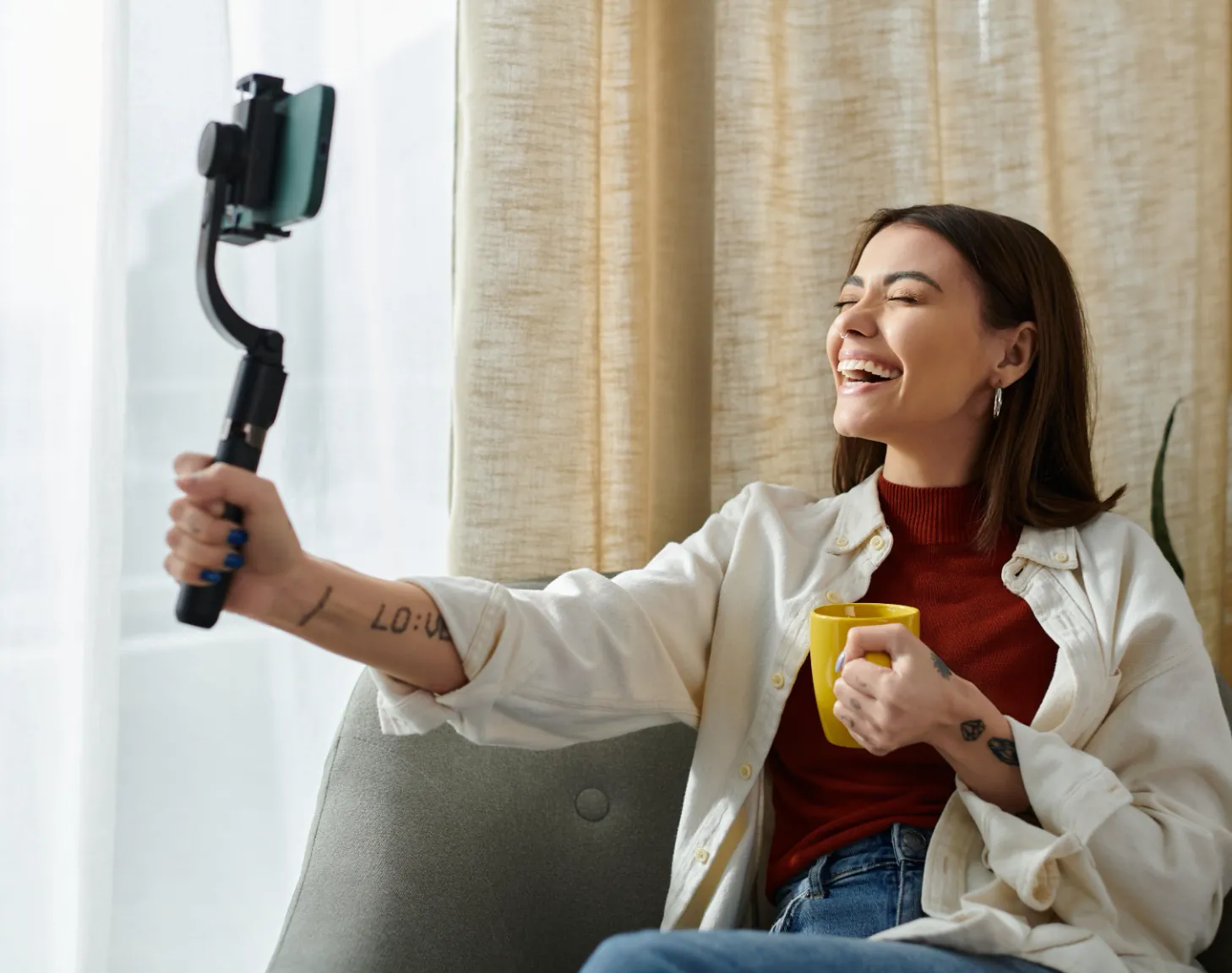
A laughing woman filming herself with a phone on a gimbal, coffee in hand

Part 6

The Stitchwork Framework

How to rebuild your marketing strategy for the fragmentation era

You can’t fight fragmentation by being everywhere at once. You fight it with a thread strong enough to run through all of it.

The successor to the funnel

We said your job was to give the consumer pieces worth keeping. Until now, the consumer has been doing the assembling, pinning your brand into a scrapbook you never got to design. The Stitchwork Framework is where you pick up the needle. A pin holds one piece in place, and anything pinned can fall out, get reshuffled, or land next to a competitor.

A thread holds the whole thing together, no matter who’s turning the pages.

Every part of this book named a break. This part is the repair.

The Stitchwork Framework is TIA’s marketing framework 2026, the direct successor to last year’s AI-enhanced funnel, and it starts from a hard truth: you can’t out-shout fragmentation; you can only out-connect it. A unified marketing strategy in 2026 isn’t one message pushed everywhere. It’s seven working parts, deliberately stitched together by a single thread.

Think of it as stitchwork. Separate pieces, joined on purpose, stronger as a whole than any single thread pulled on its own.

The seven layers

Each layer maps to a real strategic action, a platform consideration, and a content format. Together they cover the whole journey the earlier chapters pulled apart.

Close-up of several people side by side, each holding a phone or tablet

The Seven Layers

of The Stitchwork Framework

  1. Discovery Engines

    Where and how audiences first encounter the brand. Platform-specific spark strategy.

  2. Research Engines

    How audiences validate and deepen interest. Content architecture built for the Seeker and Validator modes.

  3. Trust Engines

    The creators, communities, and content that convert skepticism into confidence.

  4. Conversion Engines

    Moment-based triggers that close the gap between intent and action. Designed for Instant Deciders.

  5. Retention Ecosystems

    The loyalty and community layer that compounds over time: email, owned communities, creator relationships.

  6. Creative Consistency

    The visual and tonal thread that makes a fragmented presence feel unified. The stronger-thread principle.

  7. AI as the Integration Layer

    Personalization, prediction, content clustering, moment-matching, and signal unification, running beneath all six.

External Example: Arc’teryx

Signal or Noise?

Arc’teryx threads all seven layers at once. It connects creator
and community partnerships, platform-native social, a
resale ecosystem in ReBird, and AI-assisted, locally-relevant
creative into one coherent experience. It was named
Google’s AI Marketer of the Year in 2025 and was among
the first in Canada to use AI to localize creative by context,
the integration layer working in public, against real revenue
growth.

TIA’s verdict: Signal. This is what it looks like when the layers
operate as one system rather than seven campaigns. The
caveat: integration this tight takes real infrastructure and
patience; a direction to build toward.

Sources: Arc’teryx and Google Marketing reporting, 2025.

THE TIA VIEW · IN PRACTICE

Stitchwork is how we run accounts:
seven connected layers instead of a
stack of separate campaigns, with one
creative thread through all of them
and AI tying the signals together
underneath. It’s the difference
between doing marketing and running
a marketing system.

The full framework, with each layer
mapped to an action, a platform, and
a format, is the piece we build with
clients. This is the map of it.

Consistency is the thread

Layer six is the one most brands skip, and the one that holds the rest together. Brand consistency isn’t sameness; it’s recognizability across difference. Duolingo, from Part 3, sounds different on every platform and is unmistakably itself on all of them. That thread is what makes a scattered presence feel like one coherent brand instead of five confused ones.

AI stitches it together

Layer seven is what turns the other six into a system instead of a checklist. AI as the integration layer unifies the signals underneath everything: it personalizes, predicts, clusters content, and matches moments, connecting the discovery spark to the conversion trigger to the retention loop.

If the six layers are the pieces, AI is the needle running one thread through all of them.

From tactics to a system

The shift the framework demands is from running tactics to running a system. A pile of brilliant tactics that don’t connect still loses to a coherent system of ordinary ones, because the system compounds while the pile leaks. That’s the argument of this entire book, finally made operational.

“A coherent system of ordinary tactics beats a pile of brilliant ones that don’t connect.”

Tom Yawney

Founding Partner

The Influence Agency

“Brands to test and play, trying different tactics. When
these tactics lack cohesion, the results tend to be
mediocre at best. ... When a brand runs marketing as a
stack of separate tactics, that’s how it shows up to the
public. That brand lacks a clear tone, the aesthetic can
change, the areas of focus may waver from one tactic
to another, and the brand image is diluted. … When all
the tactics are connected, the brand looks and sounds
the same. The brand is engaging in the same topics and
cultural moments across different platforms. ... Gone
are the days where owned, earned, and paid media
work in isolation. Nowadays, the media landscape is
significantly more diverse, and every tactic needs to
create compounding momentum.”

Tyson Huggins

Head of Performance

The Influence Agency

“A modern conversion engine is about consideration.
We need to be empathetic when we plan by putting
ourselves in the shoes of our ideal customer profile. ...
While having a multi-channel approach is key, priority is
where you start. A modern conversion engine considers
multiple touch-points which factor into how users want
to communicate. All of these should be part of your
strategy and ranked for value to your business.”

Conclusion

A Stronger Thread

Brands don’t need a louder voice.
They need a stronger thread.

Fragmentation is the new climate

Fragmentation isn’t the crisis, but rather the condition.

It’s tempting to read this book as a catalogue of problems: discovery collapsed, audiences splintered, platforms scattered, attention fractured. It isn’t. Fragmentation isn’t a storm to wait out. It’s the climate now. The future of marketing belongs to the brands that stop treating it as an emergency and start building for it as the permanent operating condition it has become.

The losing move is to chase reach harder: shout across more channels and hope volume beats the noise. It won’t, because the noise is infinite and your budget isn’t. The winning move is coherence. One consistent thread running through every platform, every format, and every moment, so that wherever someone meets you, it’s recognizably, reliably you.

So what should you do now?

Stop measuring presence and start measuring coherence. Own the channels you can’t be evicted from. Build content worth saving, borrow trust from the right people, meet each platform in its own language, and let a single thread run through all of it. Everything in this book points to the same discipline.

The brands that win the fragmentation era won’t be the loudest ones; they’ll be the most coherent, which results in a stronger thread.

“The brands that win the fragmentation era won’t be the loudest. They’ll be the most coherent.”

“The biggest competitive advantage today,” says Parker, “isn’t having the best tactic. It’s having the best-connected system. When your brand, content, PR, creators, paid media, SEO, customer experience, and data all reinforce one another, every marketing investment compounds instead of competing for attention.”

Our Team

  • Alana DelZotto

    Social Media Manager

  • Alethea Spiridon

    Associate Content Director

  • Allyson Everett

    Associate Social Media Manager

  • Amrit Singh

    Associate SEO Director

  • Ariadne Rojas

    Associate Director, Social Media

  • Ariel Salinga

    Social Engagement Specialist

  • Ashley Ristau

    Associate Client Success Manager

  • Blake Cronyn

    Full Stack Developer

  • Brooke Meehan

    Sr. Client Success Manager

  • Bryan Johnston

    AI Content Editor

  • Caelia Luk

    Lead Developer

  • Claire McCulloch

    Sr. Social

  • Dani Howson

    Associate CRO Director

  • Denise Mallabo

    AI Content Editor & Writer

  • Daniel Morrison

    Client Success Manager

  • Darcy Price

    Sr. SEO Manager

  • David Iseken

    Lead Developer

  • Dmitry Avdeev

    Web Project Manager

  • Emily Fedak

    Sales Coordinator

  • Emily Ng

    Email Marketing Coordinator

  • Eni Ajilore

    Sr. Client Success Manager

  • Franca Gulotta

    Financial Director

  • Hanna Gordica

    SEO Coordinator

  • Iain Ross

    Creative Strategist

  • Jackie Tambosso

    Director of Influencer Marketing

  • John Bastawrous

    Head of Client Success

  • Joy

    Chief Happiness Officer

  • Kaitlyn Reaume

    Client Success Manager

  • Kitty Carr

    Head of Creative Services

  • Konrad Obara

    VP of Finance & HR

  • Lily Screaton

    Account Coordinator

  • Loris Gabriel Cardilli

    Client Success Manager

  • Luke Lu

    Sr. Client Success Manager

  • Leann Padilla

    Content Editor

  • Maggie Fogg

    Sr. Brand Strategist

  • Mahi Yordanos

    Social Media Content Creator

  • Marc Caughlin

    Client Success Manager

  • Marcel Canzona

    Lead, Video Production

  • Mariana Morales

    Client Success Manager

  • Mariia Demina

    Social-First Content Creator

  • Maureen Atchrimi

    Sr. Paid Media Manager

  • Mike Landry

    VP of Strategy

  • Natalia Osmolovskaya

    Lead Photographer

  • Nick Freda

    Business Development

  • Nick Monardo

    Associate Director, Client Success

  • Nicolas Golovanov

    Web & Digital Designer

  • Noah Parker

    VP of Marketing

  • Oleksiy Mykhaylenko

    Social Media Manager

  • Olivia Devries

    Client Success Manager

  • Petar Bozinovski

    VP of Operations

  • Princess Orfano

    Content Writer

  • Raghav Capoor

    Senior Accountant

  • Rocco Bombardieri

    Head of AI & Technology

  • Ruhika Rakhyani

    Client Success Manager

  • Ryan Singh

    Digital Marketing Coordinator

  • Ryan Stephenson

    Associate Director of Paid Media

  • Sam Butcher

    Creative Director

  • Sara Ensan

    Sr. Digital Designer

  • Shivam Damohe

    Content Manager

  • Sofia Ferrer

    Email Marketing Manager

  • Sonia Batra

    Director of Website Operations

  • Stephanie Cho

    Digital Designer

  • Stephanie Walker

    VP of Client Solutions

  • Stephen Pedder

    Head of Human Resources

  • Tanya Cruz

    Director of Communications

  • Tom Yawney

    VP of Business & Communications

  • Tomi Olajide

    Social Media Manager

  • Tyson Huggins

    Head of Performance Marketing

  • Vivian Phung

    Sr. Paid Media Manager

In Good Company

To every brand partner on this page: the attention is fragmented, but the story doesn’t have to be. Thanks for trusting us to tell yours everywhere it matters. Here’s to doing it all again next year, smarter.

  • Hydration Room
  • Brookfield Properties
  • Iovate
  • Water Lantern Festival
  • Laline
  • Jamieson
  • Staples
  • Maple Leaf
  • Kao
  • Skilled Trades College
  • VTech
  • SoftMoc
  • Tricon
  • Poulet Rouge
  • Surplus Furniture & Mattress Warehouse
  • Laneige
  • Miovision
  • Restaurant Supply Ltd.
  • Mastercard
  • IBAO
  • Client logo
  • NaceCare Solutions
  • GreenShield
  • Mattel
  • Hayu
  • Master Mechanic
  • Clera Windows + Doors
  • Pilot Coffee Roasters
  • Wellness Shop
  • SD&A
  • RBC
  • Airbnb
  • Cutek Wood Solutions
  • Hoot
  • The Lazy Gourmet
  • Look Good Feel Better
  • Biogenic Solutions
  • Octopus Ink
  • Hi-Performance Construction
  • Frametolia
  • AYCE Capital
  • Making Waves Swim School
  • LeafSource
  • BrewMovers
  • PasWord Protection
  • Rakuten
  • Artika
  • Longevity Wealth
  • KASE Insurance
  • REV
  • Kisko
  • PlumbWize
  • Sobeys Stadium
  • Shotgun Golf
  • Well.ca
  • Shake Shack
  • barBURRITO
  • MOB
  • Power Workers’ Union
  • Amica Senior Lifestyles
  • Aman Spa
  • Cynthia Ferguson
  • LG Home Comfort
  • Jolie Pet Supplements
  • Baro
  • Chefs Hall
  • Meritus Capital
  • Fionn MacCool’s
  • The Society of Obstetricians and Gynaecologists of Canada
  • Mistplay
  • SCS Secure Container Solutions
  • Gourmet Cuisine
  • Würth
  • OnRamp Solutions
  • ILAC
  • Action First Aid
  • Mercatino
  • Mandle Philharmonic
  • Eeva
  • SARA
  • Suetables
  • Assiniboine Park Conservancy
  • medsEXPERT
  • Liberty Entertainment Group
  • OpenTable
  • AdCulture
  • Nomad
  • Vikram for Ontario
  • Harlo Capital
  • Kasa Moto
  • The Play Book
  • Newport Sports Management
  • Aidan Hospitality
  • Arrivals + Departures
  • Bovine Wine Club
  • Tribute Communities
  • EV & Charging Expo
  • Aclaros
  • True North Cannabis Co.
  • Superior Events Group
  • Jonas Club Software
  • Remmy
  • BSquared
  • twenty6two
  • Magen Group
  • Roses Social
  • Rasa
  • Operation Mincemeat
  • Chop Hop
  • Hotel à Toi
  • Remove & Restore
  • Alexandria Moulding
  • Liberal Jewellery
  • Petty Cash
  • SzioPlus
  • The Pint
  • Sneed Coding Solutions
  • Pearl Dental