


Using AI editing tools closes the gap between the growing demand for short-form video content and the capacity of teams producing it. It cuts turnaround time and multiplies one idea into a dozen videos without a full production crew or expensive software.
Your team shoots one campaign video a month, while the algorithm rewards accounts posting daily. This gap is the real problem behind short-form video content. Ideas you’ve got plenty, but a production process built for a slower internet will slow you down.
In The Influence Agency’s 2026 Consumer Trends Survey, 193 of 336 respondents named short-form video the ad format most likely to earn their attention, ahead of static images, long-form video, display, and audio combined.
That’s a gigantic lead. It’s short-form video beating every other format combined.
That kind of demand creates a production problem most teams weren’t built for. Audiences expect a steady supply of short, fast, platform-native videos, not an occasional polished campaign, and no team scales with the same size of crew and the same hours in the day.
The full data lands in our 2026 Yearbook this November, but the production gap it points to is already here.
Short-form video content demand is outpacing production teams
Audiences now expect a new short-form video every few days, across three or four platforms with different specs and cuts. Most teams still produce sequentially: one script, one shoot, one edit, one video, at a time.
That mismatch between expectation and process is where the strain shows first, and the numbers back it up. Wyzowl’s 2026 State of Video Marketing report found 63% of video marketers have used AI tools to help create or edit marketing videos, a sharp increase from last year’s 51%.
Teams are past experimentation. Most are keeping pace with a volume problem that a bigger team alone can’t solve through AI-powered tools.
Source: Canva
Teams closed the gap with AI video editing tools
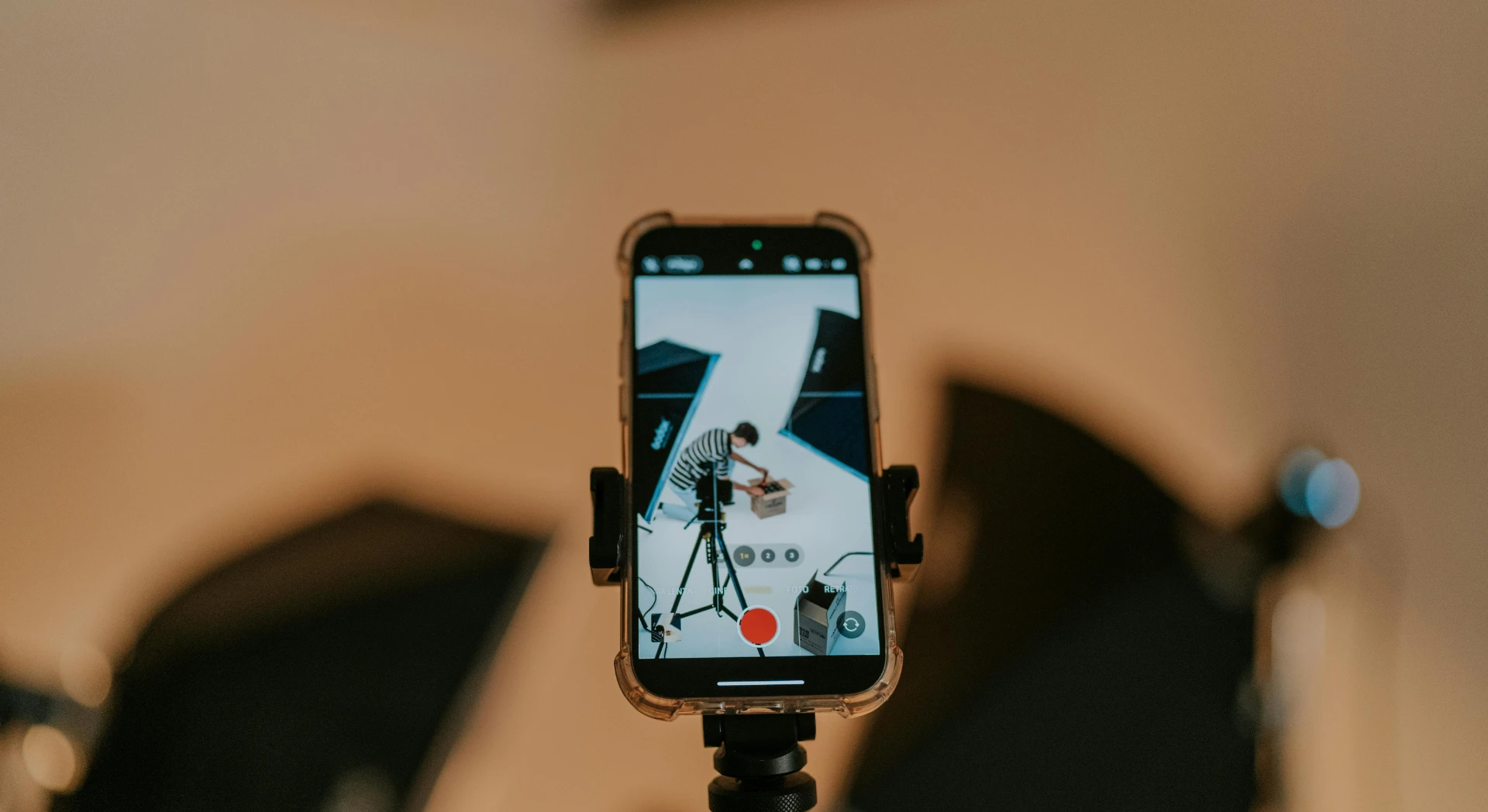
AI video editing tools handle the repetitive parts of production: cutting clips, adding captions, reformatting for different aspect ratios, and pulling multiple cuts from a single piece of footage. Higher output becomes possible without more hands.
None of that is a stretch goal anymore. It’s the baseline workflow behind most of the short-form content already in your feed, built to turn one filmed idea into several finished videos.
The shift shows up clearest in how far a single shoot can now stretch. One 10-minute video, run through the right AI tools, can become three YouTube Shorts, two Instagram Reels, or one TikTok cut. Same footage, same day, five additional assets.
The same shift is now reaching narrative content. With an AI filmmaking tool, it's easy for creators to produce short-form branded stories, from micro-dramas to short films, without a full production setup.
That’s the math that used to take a full production cycle. It’s why teams that adopted automation early aren’t rushing to keep pace with demand the way everyone else is. We broke down where video is headed next before, and automation runs through nearly all of it.
We’re seeing it in action now: automation solving output, not judgment. That’s where the right tool, and the right hand on the controls, starts to matter.
Best AI video tools for marketers
Source: Clideo
The best AI video tools for marketers include Clideo, Runway, Pika Labs, CapCut AI, and Canva AI, covering everything from all-in-one editing to prompt-based generation. Each earns its spot for a different reason, and none requires editing experience.
If you can describe what you want in a sentence, these tools can produce it for you.
Clideo
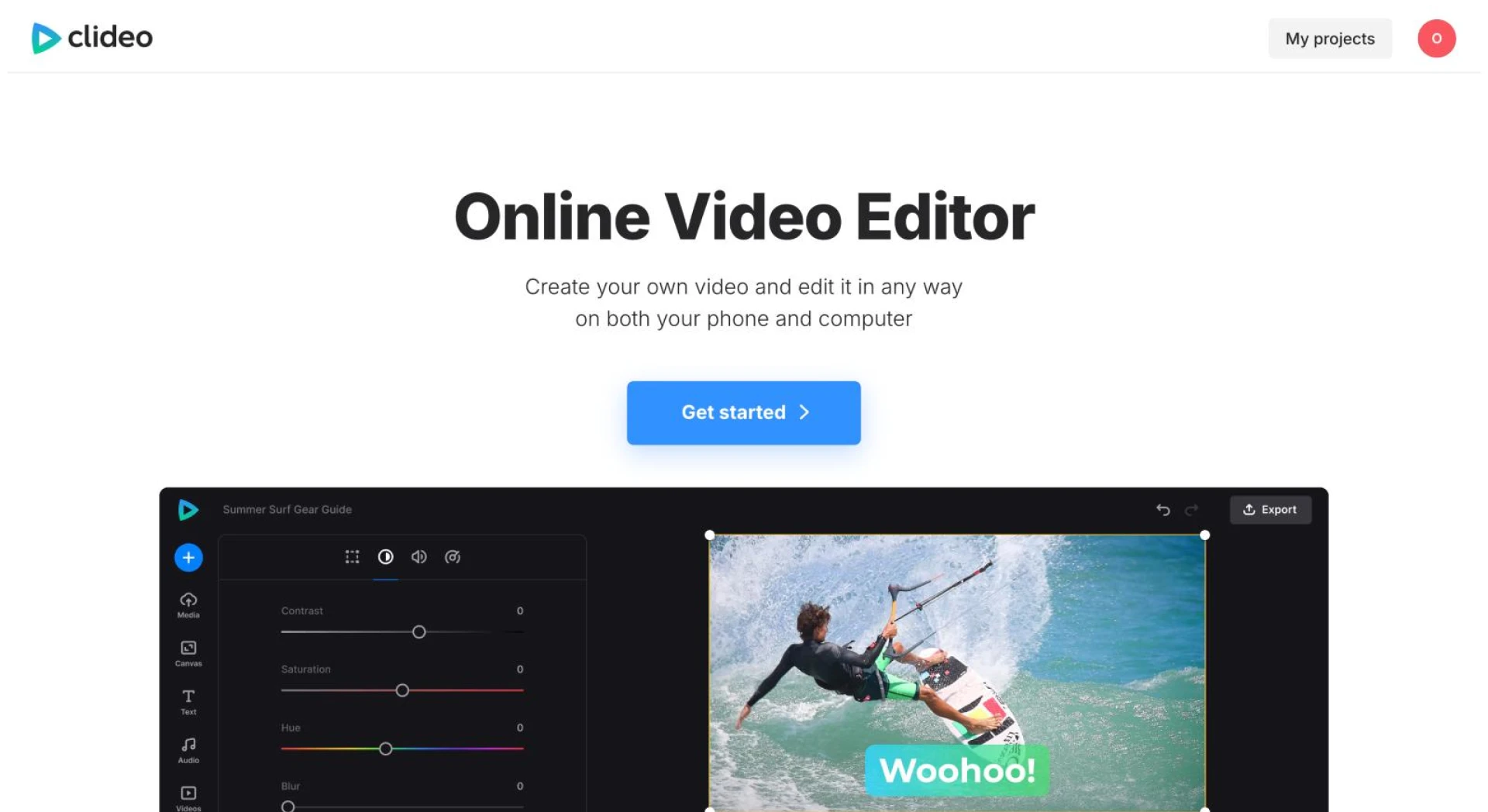
Beginner-friendly Clideo is built for marketers who need a finished video without a learning curve. Its browser-based editor handles trimming, merging, resizing, and adding text or music in a few clicks. AI-assisted features (auto-captioning, background noise removal, smart resizing for different platform specs) do the fiddly work that used to eat up an editing session.
It’s also one of the few tools built for the phone-first workflow marketers actually live in. Clideo’s mobile app lets you cut and export a clip between meetings, which matters when a trending audio or a same-day product moment doesn’t wait for you to be on your laptop.
Runway
Runway leans further into generative AI than most editors on this list. Its text-to-video and Gen-3 models can generate entirely new footage from a written prompt, making it useful for marketers who need a concept video before they have any usable footage.
For beginners, the draw is speed for iteration. Green screen removal, motion tracking, and object replacement are all automated, so testing three different visual directions costs minutes, not a reshoot.
Pika Labs
Pika Labs specializes in short, stylized AI-generated clips, closer to animation and motion graphics than traditional video editing. Marketers use it to turn a static product shot or a rough idea into a moving visual without hiring an animator.
Its prompt-to-video interface is genuinely beginner-friendly: describe the motion you want (a product rotating, text animating in, a scene transitioning) and Pika handles the frame-by-frame work automatically.
CapCut AI
CapCut AI is the closest thing to an industry default for short-form editing, largely because its auto-captioning, auto-cut, and template-matching features were built around TikTok and Reels pacing from the start.
It reads your footage and suggests cuts timed to the audio, which handles much of the rhythm work a beginner editor would otherwise guess at. Its AI script-to-video feature also lets marketers skip the blank timeline entirely: paste a script, and CapCut assembles a rough cut with matched B-roll and captions to build from.
Canva AI tools
Canva’s video features extend the same drag-and-drop simplicity marketers already know from its design tools. Magic Media generates video clips or B-roll from text prompts, and Magic Switch automatically reformats one video to the right dimensions for Stories, Reels, and Shorts.
For marketers already living inside Canva for graphics and decks, this is the lowest-friction entry point: no new software, no new interface, just an AI layer added to a tool already in daily use.
Source: Canva
How beginners can start easily with AI video editing
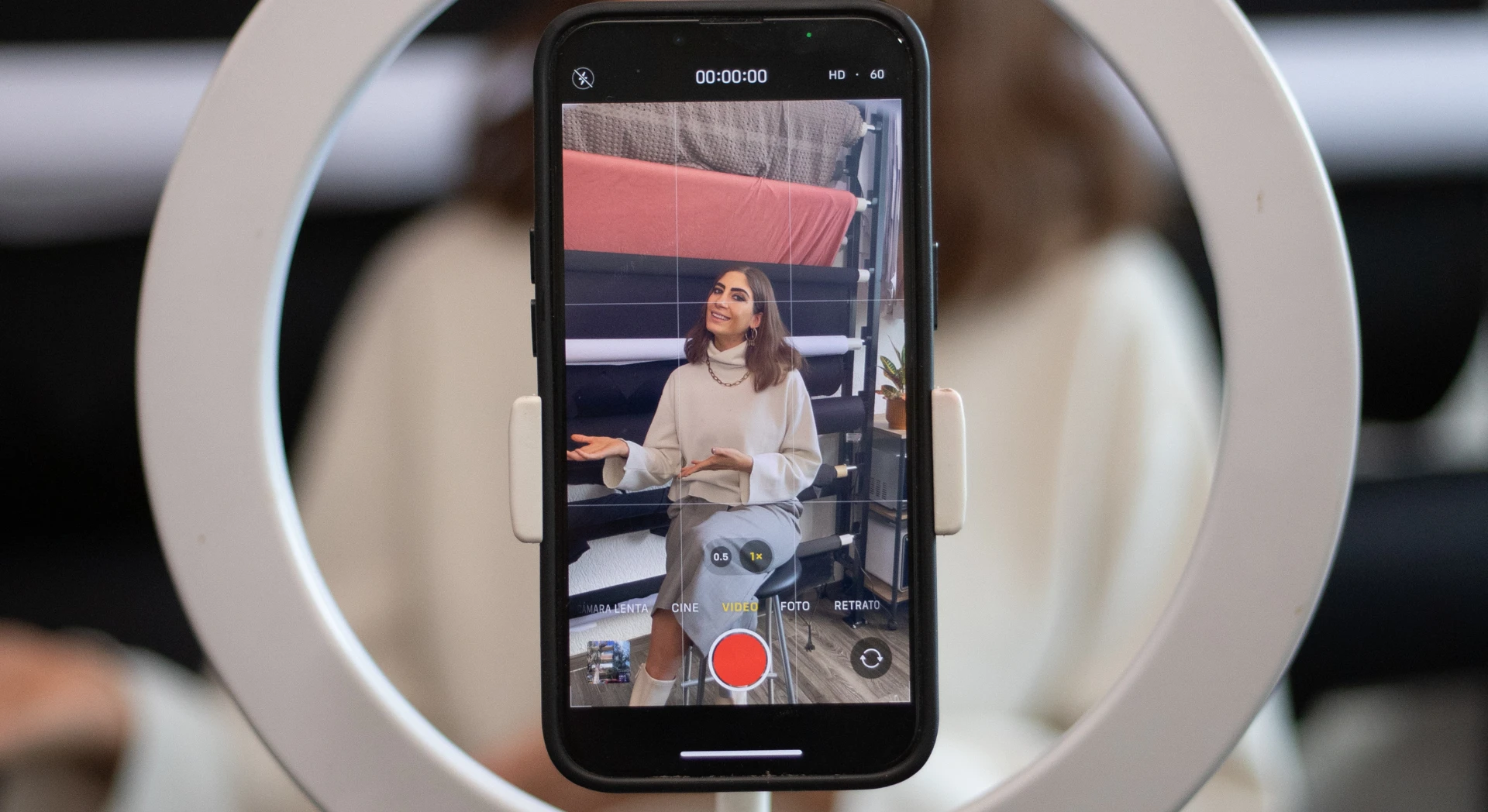
Beginners can start easily by lowering the bar for their first video rather than raising their skill set. The tools already do the technical work. What’s left is a handful of habits that separate marketers who actually publish from those who stay stuck in planning mode.
- Start with one low-effort tool. Pick a single AI editor (Clideo works well here) and learn its basics before adding a second tool to the stack. Switching platforms too early is the fastest way to stall out before publishing anything.
- Learn to trim, cut, and join before anything fancier. These three actions cover most of what a short-form video needs. Everything else is a feature you can pick up later.
- Make the first few videos short on purpose. A 15 to 30-second clip forces a clear point and gives you a fast feedback loop on what’s actually landing with your audience.
- Watch what’s trending before you plan a shoot. A trending sound or format tells you what the algorithm is already pushing, so you’re working with the platform instead of guessing against it.
- Publish on a schedule before you publish something polished. Consistency builds the audience data that tells you what to improve next. A perfect video nobody sees teaches you nothing.
Starting is the easy part now. Let the tool handle what used to be the hard part. What AI can’t do is where this gets more complicated.
AI video editing has limits that human creatives fill
AI video editing tools cut, caption, and resize well. They don’t know your brand’s tone, your audience’s inside jokes, or when a trending format doesn’t actually fit the product being sold. That’s where AI-generated short-form video content starts to feel generic, or worse, off-brand.
Automation can’t tell you which cut makes a founder look confident instead of stiff, or that a joke lands differently for a skincare brand than it does for a snack company. Only someone who gets the brand can make those calls, not a tool that’s optimizing for pacing alone.
Here’s where professional video creatives close that gap. AI handles the volume, and people supply the judgment that makes engaging video content feel like it came from a brand instead of a template. That’s the difference between content that gets made and impactful content that actually connects.
FAQs on short-form content
Key takeaways
Short-form video content production is solved. Strategy next.
The tools in this piece solve production. Short-form video strategy is a whole different field, and that’s usually the harder problem: knowing which platform, which format, and which idea actually deserves the effort of turning into video.
That’s exactly what TIA’s 2026 Consumer Trends Survey was built to answer.
Our full findings, along with what they mean for where video budgets should go next, land in The Yearbook: The New Anatomy of Influence, this November. Until then, our Museum of Influence remains open.