


Millennial marketing demands more than a social presence. As the largest workforce with unmatched purchasing power, they expect authenticity, influencer-led storytelling, and seamless mobile experiences. To win their loyalty, brands must prioritize transparency, shared values, and omnichannel strategies that turn engagement into measurable growth.
Millennials are no longer the "young" generation of the future.
In 2026, they represent the largest share of the global workforce and hold the greatest purchasing power in history. For brands, understanding how to reach this demographic is not just a benefit, but a necessity for long-term growth.
However, marketing to the millennial generation requires more than just showing up on social media. It requires a nuanced, authentic, and strategic approach that speaks to their unique values and digital-first lifestyle.
At The Influence Agency, we’ve spent years refining a digital marketing strategy that resonates with this diverse group. We understand that millennials value transparency and connection over traditional, high-pressure sales tactics.
If your brand is looking to capture the attention of this powerhouse demographic, it’s time to look beyond the surface level. You must dive into what truly drives millennial consumers' decision-making today.
The importance of authenticity and trust
If there is one word that defines the millennial consumer, it’s authenticity.
This generation grew up during the rise of the internet and has a highly developed filter for traditional advertising. They can spot an insincere brand message from miles away. To successfully master marketing to the millennial generation, brands must move away from overly polished, corporate imagery and embrace a more human side.
This shift toward realness is why influencer marketing has become such a dominant force. Millennials are far more likely to trust a recommendation from a peer or a creator they follow than a celebrity in a television commercial. They seek out social proof before making a purchase.
Whether it is through user-generated content or long-term brand ambassadorships, building trust is the foundation of any successful campaign.
How millennials compare to previous generations
To understand the average millennial, one must look at how they differ from those who came before. Our 2026 Yearbook covers how different generations have evolved in the digital space, including millennials. Unlike baby boomers, who often prioritize brand name and longevity, millennials tend to prioritize experiences and personal alignment.
While baby boomers may respond well to direct mail or traditional television ads, marketing to millennials requires a presence where they actually spend their time.
Similarly, when compared to Gen X, millennials are even more entrenched in digital spaces. While Gen X is often referred to as the bridge generation, millennials are true digital natives who expect seamless brand interactions across all mobile devices.
Millennials represent a shift in how commerce works. They’re more likely to spend money on travel and personal growth than on the material goods favored by older generations.
Navigating economic uncertainty and buying power
Despite facing periods of economic uncertainty, the millennial generation remains a formidable force in the marketplace. Millennials spend billions annually across sectors like tech, wellness, and fashion. Successfully marketing to this group means acknowledging their financial reality while highlighting the value and utility of your services compared to the competition.
Many millennials are now in their peak earning years. This means marketers must shift their focus from just "young adults" to established professionals and parents. Their tech savviness allows them to quickly compare prices and read reviews before shopping online.
To win their brand loyalty, you must provide a friction-free path to purchase that respects their time and intelligence.
Influencers’ lasting impact on millennials
Influencers bridge a brand's goals with millennial consumers' desire for relatability. Whether through a detailed TikTok video or an aesthetic Instagram post, these creators provide the context millennials crave.
By selecting creators who align perfectly with a target audience, influencer marketing campaigns ensure you deliver a message through a voice the consumer already trusts. You cut through the clutter and lead them straight to conversion with less friction.

Image Source: Pexels
Mobile-first and social-driven strategies
Millennials were the first generation to fully embrace the smartphone as their primary device. Therefore, any marketing strategy must be mobile-first. This includes having a fast, responsive website and content that is easy to consume on mobile devices.
Social media is the digital town square for this age group. To stay relevant, brands need to produce a variety of content types across several social media platforms. Effective millennial marketing involves:
- Video content: Using short-form clips for brand awareness and longer YouTube videos for deep dives into services.
- Informative content: Blogs that provide actual value and solve problems for potential customers.
- User-generated content: Encouraging fans to share their own memorable moments with your products.
- A two-way conversation: Engaging with users in the comments to build a real community
Leveraging social platforms: From Facebook to TikTok
While younger audiences, like Generation Z, may flock to newer apps, millennials remain very active on established social platforms. For instance, many millennials still use Facebook to connect with local businesses and community groups. A well-placed Facebook ad can still be highly effective in your marketing campaigns if it is targeted correctly.
However, the millennial audience is also tech-savvy enough to follow the trends. They’re significant consumers of video content on YouTube and discovery-based content on Instagram.
Reaching millennials requires an omnichannel approach. You cannot focus on just one app; you must be present wherever they seek meaningful experiences.
What millennials value: Brand values and social responsibility
Millennials are often described as the most conscious generation of consumers. They don’t just buy products. They buy into brand values. When they choose a brand, they’re often making a statement about who they are. This means that factors like environmental sustainability and social justice are top of mind.
For a brand to resonate, it must lead with its "why."
Communicating these initiatives clearly is a key part of millennial marketing strategies. However, this must be backed by action. Performance-driven marketing means proving your impact rather than just talking about it.
Millennial marketing must-haves: Personalization and custom digital solutions
Gone are the days of one-size-fits-all marketing. Millennials expect a personalized experience. They want to feel like a brand understands their specific needs, interests, and pain points. This is where data-driven strategies and custom digital solutions come into play.
By using advanced targeting and analytics, brands can deliver the right message to the right person at the right time.
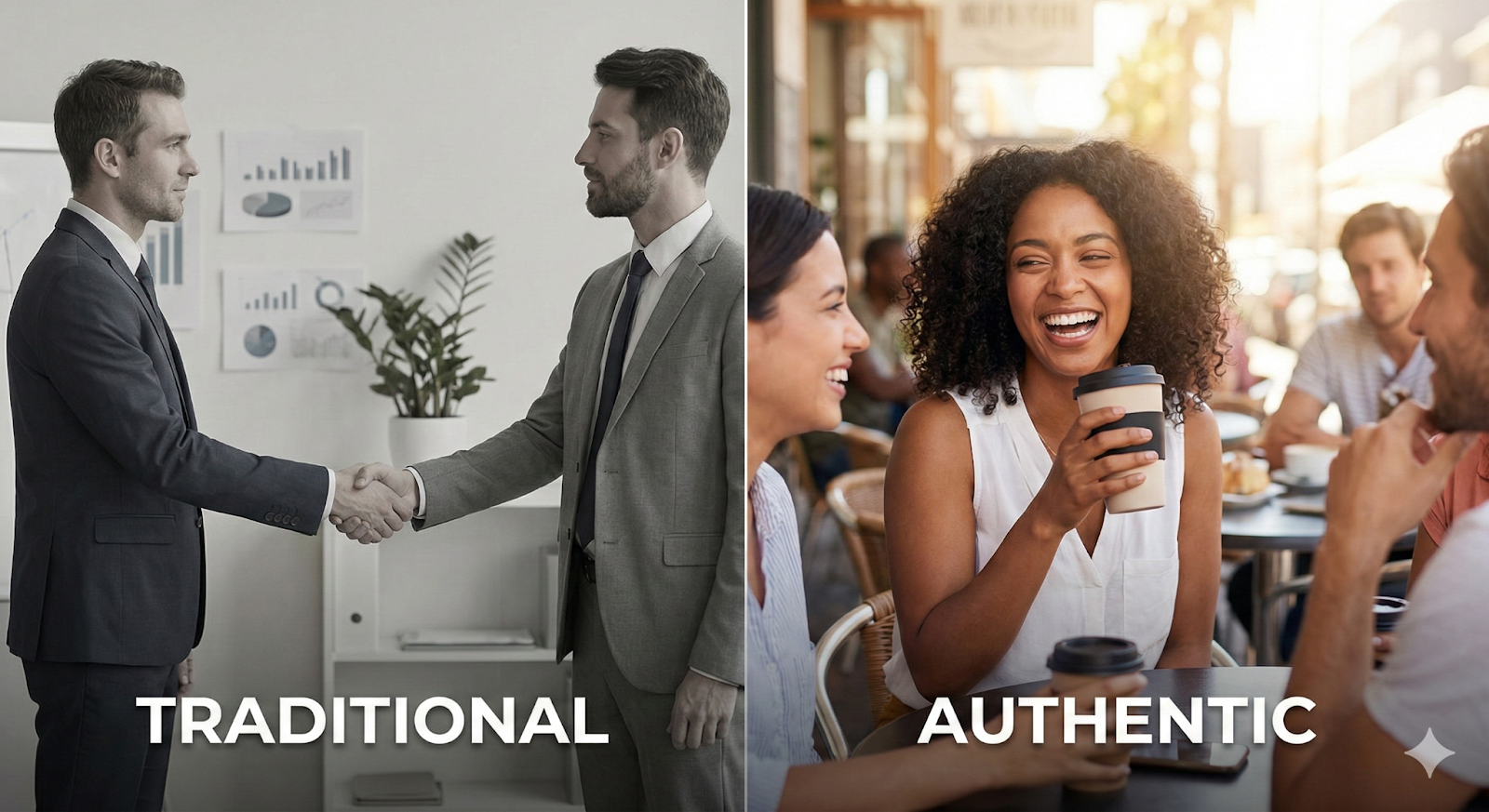
Image Source: Gemini 2026
Measuring success and looking forward
For the millennial audience, success is measured through engagement, brand sentiment, and ultimately, action.
As this generation ages and their lifestyles change, the way we approach millennial marketing will evolve as well. Staying ahead of the curve requires constant monitoring of trends and a willingness to adapt to new technologies and platforms.
Marketing to the millennial generation: A summary
Why a full-service agency approach matters
Marketing to the millennial generation is complex because their journey is non-linear. They might see an influencer's post, search for the brand on Google, read a blog to learn more, and finally make a purchase. Because of this behavior, brands need a cohesive marketing strategy across all platforms.
Working with a full-service agency like TIA allows for a unified voice. From SEO and web development to paid ads and custom brand photography, every element must work together to tell a consistent story.
FAQs about effective millennial marketing
Key takeaways
Successful millennial marketing lies in trust
Reaching millennials is an exercise in relationship building. It requires patience, honesty, and a commitment to providing value beyond the product itself. When a brand connects with this audience on a deeper level, it gains a loyal advocate.
If you’re looking to cut through the noise of traditional advertising, The Influence Agency specializes in performance-driven, authentic digital solutions. As a full-service agency, we handle everything from SEO to custom-branded content to ensure your brand stands out in a crowded market.
Ready to grow your brand? Let’s discuss how our Influencer Marketing services can drive measurable results and make you the belle of the millennial ball.