


They don’t search Google. They search vibes.
Gen Zers are the first true digital natives. They reject traditional marketing in favor of authentic user-generated content. Success with this new generation requires social SEO and interactive experiences that prioritize Gen Z's values.
While older generations may view the internet as a tool, a Gen Z audience treats the digital landscape as an extension of their identity. They’ve never known a world without instant connectivity, which fundamentally alters how they expect companies to show up in their daily lives.
Behavioral profile: Scroll-first or scroll past
Gen Zers don’t typically discover products through a traditional search engine. Instead, they discover through scrolls. Their feeds on TikTok, YouTube, and Pinterest act as personalized storefronts, shaped by AI that already knows what they will pause on next. For these young consumers, identity often matters as much as utility.
Unlike the millennial generation, who transitioned into digital spaces as they grew, Gen Z was born into them. They want brands that mirror their humor and cultural fluency. Polished ads feel distant and corporate to them, whereas user-generated content and authentic storytelling earn their hard-won trust.
Loyalty is built through connection rather than convenience. When a member of this generation finds a brand that reflects their identity, they stick with it. Authenticity and depth are the currency that turns passive scrollers into loyal advocates.
What are the 7 basic traits of Gen Z?
To understand Gen Z marketing, you must understand the core traits of this generation. They bring their own set of expectations to every interaction:
- Digital natives who have been online since childhood.
- Pragmatic and focused on financial security.
- Socially conscious and vocal about climate change.
- Inclusive, valuing diversity across all social media platforms.
- Individualistic, using fashion and hobbies for self-expression.
- Skeptical of traditional marketing and "hard sells."
- Authentic, preferring young people and real peers over celebrities.
Discovery patterns: Where and how Gen Z’s values shape what matters
For Gen Zers, discovery begins in the feed rather than the search bar. For other generations, search may be the primary tool, but for Gen Z, it’s a different story. TikTok’s For You Page, Reddit threads, and Discord communities act as living maps of what matters now. Algorithms do the curating, but peers set the tone. Unlike previous generations, who might have relied on television or print, younger generations look for social proof.
From baby boomers to Gen X, older generations often rely on established legacy media. However, Gen Z responds to formats that feel native to the platform. This includes a creator explainer, a quick duet, or a peer review dropped into a comment thread. Each interaction is a vibe check.
What do Gen Z use instead of 😂? Language is a powerful force in Gen Z marketing. If a brand uses the 😂 emoji, they instantly signal they’re out of touch. Most Gen Zers use the skull emoji 💀 or the melting face 🫠 to express humor or overwhelm.
Understanding these nuances is essential for successfully marketing to a Gen Z audience.
Polished ads rarely pass that test. Gen Z responds to content that’s immersive, emotional, and culturally fluent. They look for depth in storytelling, solutions hidden in tutorials and hacks, and brands that reflect their identity as much as their needs.
Conversion psychology: Fluent in meme, fluent in moodboard
For Generation Z, conversion isn’t about features or price points. It’s about identity.
They’re more likely to make impulse purchases when a product feels like an extension of who they are. A meme or a lo-fi product demo often carries more spending power than a million-dollar studio campaign.
Brand loyalty is earned when companies demonstrate cultural fluency. Aligning with social movements and current trends turns casual awareness into lasting trust. Younger audiences respond to immersive content and brands that reflect their identity.
For many Gen Zers, product discovery is about belonging to a community and supporting their favorite brands.
Gen Z: A snapshot
Marketing strategies: Reach Gen Z through the scroll
To engage Generation Z, marketers should adopt social-first strategies. This means focusing on social SEO and using captions and comments as conversion tools. While digital dominance is key, some brands are finding success by integrating unique offline experiences to build deeper community roots.
What marketing works for Gen Z? The old model of interruptive advertising is failing.
What type of marketing does Gen Z prefer? They prefer:
- Micro-influencers: These creators foster stronger connections than celebrities do.
- TikTok shop: This allows for seamless social commerce without leaving the app.
- Long-form content: While short videos are king, deep dives on YouTube or Reddit provide the "lore" young people crave.
TIA Tip: Friction arises from over-polished ads or brand voices that feel inauthentic. Stick to a conversational style that maintains authority without being stiff.
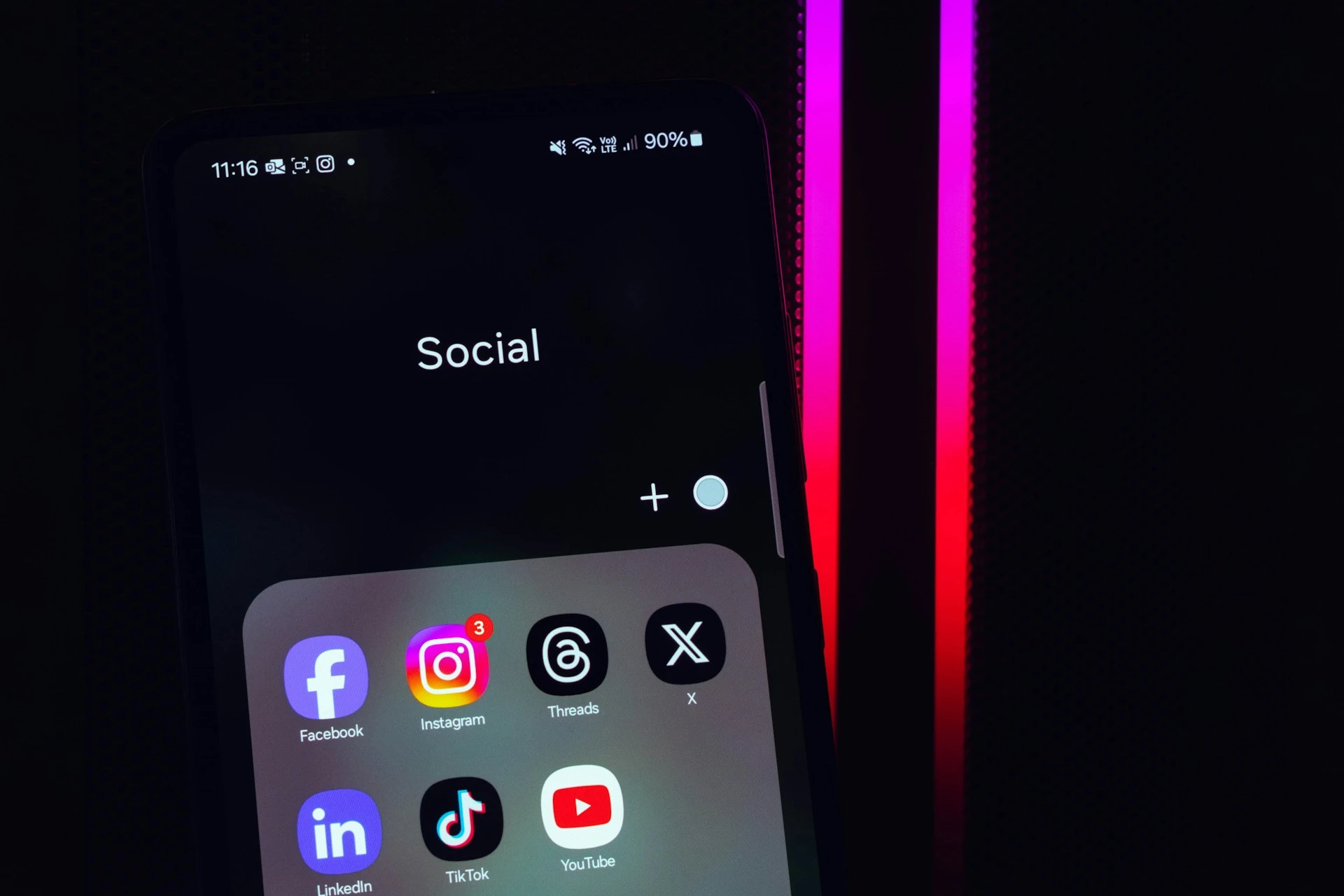
Image source: Unsplash
AI in action: AI-enhanced identity expression
AI helps marketers connect with Gen Z consumers through personalized content and sentiment analysis.
Generative tools allow brands to create engaging memes and avatars that resonate with the love this generation has for remix culture, thriving on platforms like TikTok and Instagram.
Advanced sentiment analysis tools analyze social media users to find creators whose tone and values align with a brand. This approach fosters genuine influencer partnerships, enhancing trust and engagement with Gen Z, while improving campaign credibility and marketing analytics. By leveraging our vast network of over 2.5 million influencers, celebrities, and athletes, TIA ensures that each campaign is creative and results-oriented.
AI-driven predictive engagement models examine user behavior to enhance creative elements like hooks and captions for scrolling, a behavior that is undeniably common across all generations today. These models optimize content placement and timing on platforms like TikTok, increasing visibility and fostering emotional connections to convert casual viewers into engaged Gen Z consumers.
Campaign insight: Leveraging AI to amplify Gen Z engagement
At The Influence Agency, we created a TikTok campaign for Gen Z shoppers using AI-driven analysis to identify influencers that resonate with niche subcultures. We optimized captions and sounds based on predictive engagement models.
The result was a 35% increase in engagement rates compared to older counterparts in previous campaign cycles. According to a TIA strategist, AI helped us connect authentically with Gen Z's values at scale. This transformed typical outreach into genuine cultural conversations.
This campaign exemplifies how blending AI with creator-driven strategies can unlock meaningful impact with Gen Z consumers and Millennials alike.
Strategy highlight: 3 moves to make
When marketing to Gen Z, tactical moves that align with their shopping habits are key.
1. Partner with niche-savvy micro-influencers
Collaborate with creators who live within Gen Z subcultures. These influencers produce content that feels authentic to younger audiences, making it more likely to drive action.
2. Use AI to rapid-test creative variations
Leverage tools to test multiple captions and hooks. This rapid iteration lets you identify the combinations most likely to spark engagement among Gen Z users on their For You Pages.
3. Prioritize comment threads and duet-friendly content
Encourage interaction by creating content designed for comments and stitches. For Gen Zers, conversation is part of the buying journey. Visible engagement signals trust, and interactive formats boost discovery through platform algorithms.
FAQs about Gen Z shoppers
Key takeaways
Building brand loyalty with Gen Z
As the first generation of true digital natives and algorithm-aware consumers, Gen Z defines a new era of consumer behavior. Their preference for scroll-first content challenges marketers to rethink traditional marketing.
Effective Gen Z marketing combines social SEO, micro-influencers, and AI personalization to create engaging experiences.
Brands can foster trust and brand loyalty through quick iteration and meme fluency. Marketers who adapt with purpose will build lasting connections with the young people shaping the future marketplace.
Ready to turn these insights into impact? If you want to build a strategy that resonates with the next generation of buyers, explore how our influencer marketing services can connect your brand with authentic voices that drive real results.