


Marketing to Generation X requires balancing trust, nostalgia, and measurable performance. Learn how to reach Gen X consumers through strategic digital marketing, loyalty-driven campaigns, and full-service execution that turns purchasing power into long-term brand growth.
Gen Xers, born between 1965 and 1980, are now in a powerful life stage. Most Gen Xers are in their peak earning years and are decision-makers at work and at home. They influence their families' purchasing decisions while also supporting aging parents as part of the sandwich generation.
Although smaller than Baby Boomers or Generation Z, Gen X still holds significant spending power. Their buying power, brand loyalty, and long-term value make marketing to Gen X essential for sustainable growth.
If your generational marketing strategy ignores them, you risk missing an audience with money, influence, and high customer loyalty.
For a broader look at this year’s trends, explore our 2026 marketing playbook, where we break down marketing strategies across every generation.
Understanding Gen X: the MTV generation in the digital age
Generation X is sometimes called the MTV generation. They grew up during the rise of personal computers, witnessed the fall of the Berlin Wall, and experienced the shift from traditional media to the digital age.
Gen Xers remember:
- Direct mail campaigns arriving in physical mailboxes
- Traditional media like print ads and television dominating marketing
- The early days of cell phones
- The emergence of online shopping
Unlike younger generations, Gen X isn’t glued to social media, but they are comfortable online.
They shop online and read Google reviews. They compare ratings and comments. They also look for patterns in the feedback. And they weigh up brands carefully before they commit.
Marketing to Gen X means respecting this mix of habits: they like real-life stories and proof, but they also expect smooth, modern digital convenience.
The spending power of Gen X consumers
Gen X consumers control enormous spending power. Many are senior leaders, entrepreneurs, or experienced professionals. They make high-level purchasing decisions for households and businesses.
Marketing to Gen X vs other generations
Marketing to Generation X needs a different approach than marketing to Baby Boomers, Millennials, or Generation Z.
Baby Boomers often respond well to traditional media and direct mail. Generation Z thrives on social platforms and influencer-led discovery. Gen X sits right between these groups, and that’s the key.
Unlike a social media-obsessed generation, Gen Xers value practicality over performance marketing hype. At the same time, they’re far more digitally fluent than many Baby Boomers.
When marketing to Generation X, brands should:
- Skip flashy trends and gimmicks
- Focus on real-life situations and stories
- Build trust with social proof and case studies
- Show everyday life in a relatable way.
- Prove long-term value, not quick wins
Gen Xers often get called bargain hunters, but they don’t buy on impulse. They like brands that offer smart discounts, free samples, and steady, reliable service over time. They stay loyal when a brand makes them feel understood and respected.
Because Gen X is at a unique life stage, often juggling work, kids, and aging parents, their priorities can differ from those of younger generations. Marketing that clicks with Millennials or Gen Z may not land with Gen X.
Strong generational marketing spots these gaps and speaks to them. Marketing to Gen X should focus on durability, reliability, and ROI.
Skip trend-driven messaging.

Image Source: Gemini 2026
How to market towards Gen X effectively
To market to Gen X well, start with authenticity and alignment.
Their childhoods included recessions, corporate scandals, and fast tech change, so they spot hype quickly. Your marketing should build trust first, then ask for the sale.
Effective marketing to Gen X should:
- Build trust through transparent messaging
- Emphasize long-term value over hype
- Reinforce brand loyalty and customer loyalty
- Promote loyalty programs and reward programs
- Provide clear proof points and positive reviews
- Save time and simplify everyday life
Speak with this audience, not at them.
The yearbook effect: using nostalgia without gimmicks
One of the most powerful tools in Gen X marketing is nostalgia. Think of it as a strategic yearbook moment.
Gen X grew up with Saturday morning cartoons, cassette tapes, mall culture, early video games, early internet days, and the shift from traditional to digital media. Using these shared cultural touchpoints can spark real emotion. Just make sure it feels intentional, not forced.
A strong campaign might:
- Remix classic 80s and 90s design with modern UX
- Partner with trusted influencers who match Gen X values
- Bring back legacy products with updated features
- Keep the conversation grounded in real, practical wins
Marketing to Gen X should honor the past without treating it as outdated. Nostalgia works best when it reinforces experience, not age.
Channel strategy: where Gen X engages
While Gen Z leads on new social platforms, Gen X shows up differently; that’s why Facebook is still one of the best channels for reaching Gen X. Many Gen X buyers use it to research brands, compare service providers, and join real discussions.
Additionally, email marketing works very well with Gen X. It's most effective when it feels personal and useful. Gen X likes to dig into details, so SEO still matters, and search-focused content also makes a big difference.
Before they buy, Gen Xers often:
- Compare prices and warranties
- Visit several brand websites
- Read long-form content
- Check customer reviews and testimonials
This makes integrated marketing strategies essential. Combining SEO, paid media, influencer partnerships, Facebook campaigns, and even strategic direct mail ensures brands remain visible across the full research journey.
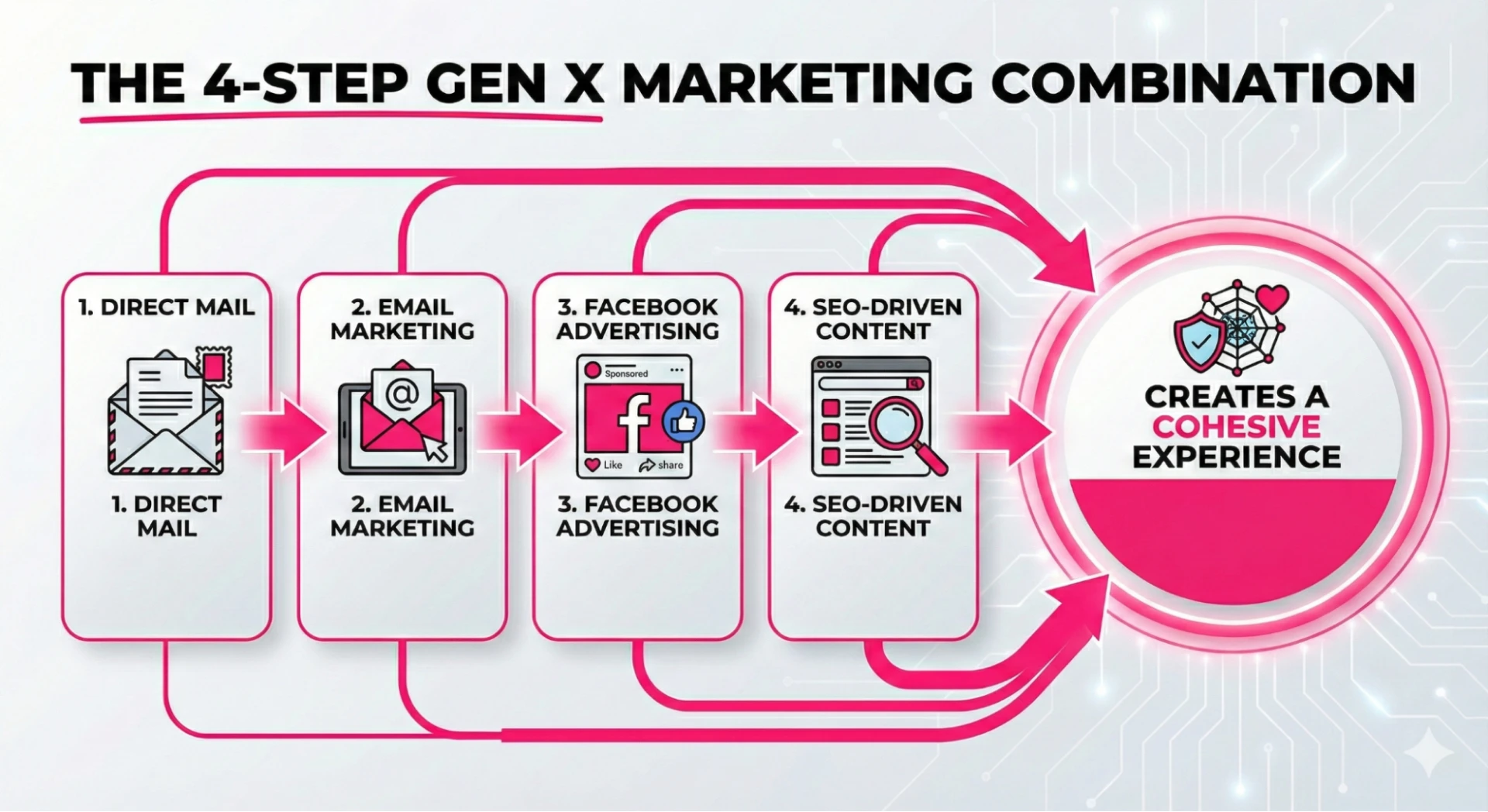
Image Source: Gemini 2026
Authenticity over hype
Generation X grew up during a tumultuous time, so they value honest, authentic marketing.
When you market to Generation X:
- Skip hype and big promises
- Lead with clear benefits and solid proof
- Use customer testimonials and real case studies
- Be upfront about pricing and overall value
Influencer marketing still works with Gen X, but it has to feel credible. Micro-influencers and subject-matter experts often beat flashy, trend-based creators. Your message should focus on real experience and practical results, so skip the “viral moment” angle.
This is where performance-driven influencer marketing matters: Build campaigns around audience fit and measurable engagement, not vanity metrics.
Messaging that resonates
To connect with Generation X, your messaging should reflect their values:
- Independence
- Self-reliance
- Practicality
- Family focus
- Long-term security
For example, instead of positioning a product as trendy, frame it as reliable. Instead of focusing solely on aesthetics, emphasize durability, performance, and return on investment.
Storytelling also works well when it highlights real-life scenarios.
When marketing to Generation X, respect their intelligence. Speak with them, not at them.
Loyalty, repeat customers, and long-term growth
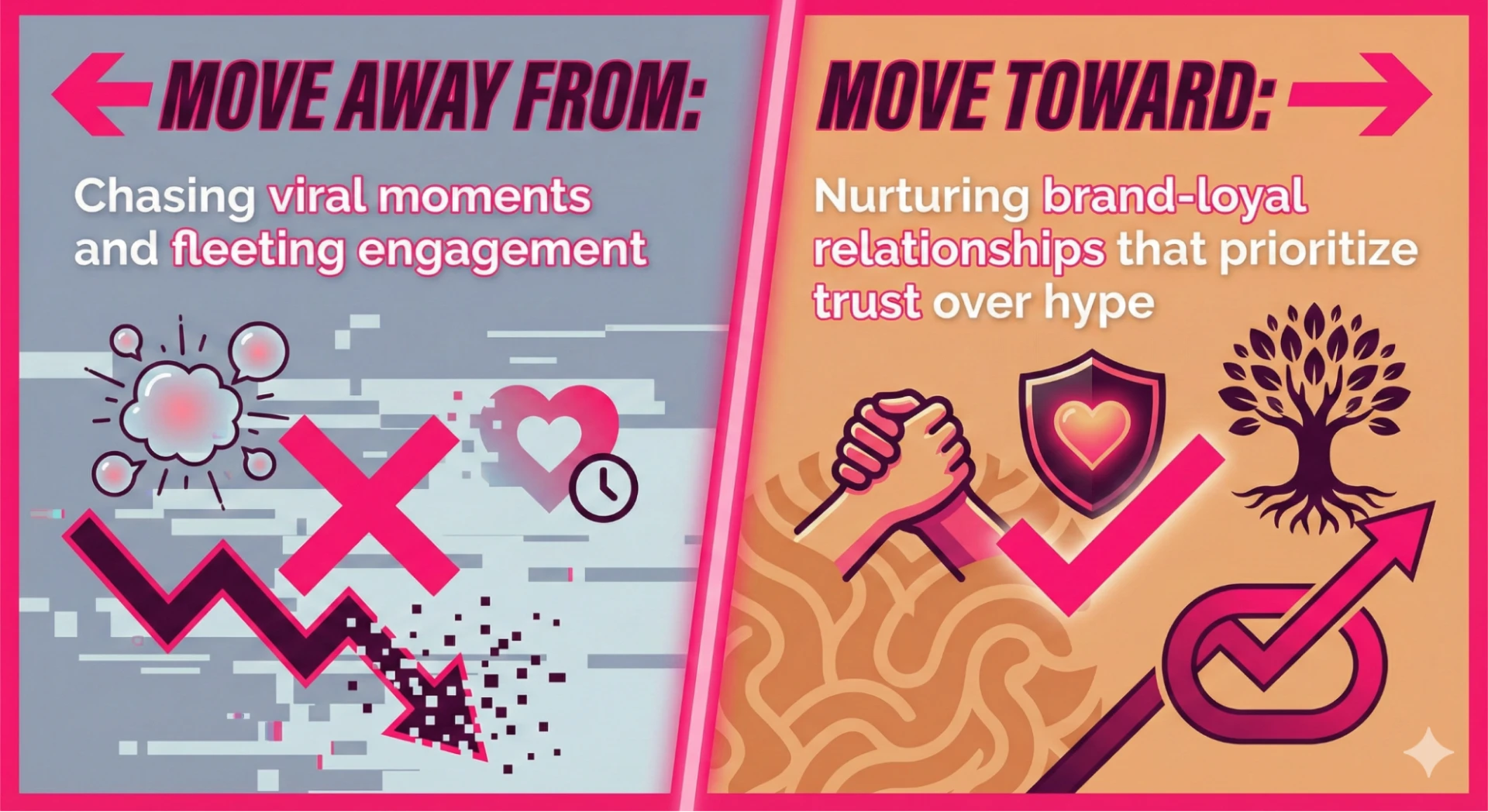
One of the strongest advantages of marketing to Generation X is their loyalty. They don't care about viral trends or 15 seconds of fame; they care about who shows up and stays consistent.
How to market to older generations without stereotypes
Approach Gen X with respect, and skip the myth that they resist tech.
They adopted PCs, embraced cell phones, and helped shape early online shopping. Smart strategies use generational insight without stereotypes. Focus on real-life needs and what they can do today.
Lead with great service and earn trust through steady communication. That’s how you reach these often-overlooked decision makers with real influence.
FAQs about marketing to Gen Xers
Key takeaways
Drive measurable results with full-service generational marketing
When marketing to Generation X, chasing flashy trends or nostalgia alone won’t cut it. Getting their attention means aligning your service with their everyday life, life-stage priorities, and desire for reliability. After all, they’re leaders, decision-makers, and loyal consumers holding significant purchasing power.
At The Influence Agency, we build performance-driven marketing strategies. We bring together influencer marketing, paid media, SEO, content marketing, social media, and more as one clear, cohesive approach.
If you’re ready to strengthen your marketing to Gen X and drive long-term value across generations, explore our influencer marketing services and discover how we create authentic, results-focused campaigns that convert.
Take the next step and get started with us today!