

The best influencer compensation model is a hybrid: you offer a base fee for their services and performance-based bonuses to motivate them to promote your brand. For smaller, newer creators, however, consider a product-only deal first.
How do influencers get paid? The way brands compensate their influencer partnerships in the influencer marketing industry today has changed quite a bit over the years.
Blindly agreeing to flat-fee payments based on follower count is no longer a smart, cost-effective approach. Modern, more sophisticated models are more closely tied to business outcomes.
Before reaching out to your potential partners, consider revisiting your existing model. See how you can tweak it. Your structure should align with your overall branding goal and campaign strategy, not just your budget.
Let’s go through the most widely used influencer compensation models and see which suits your next influencer marketing campaign best.
1. Hybrid compensation (Base + Commission + Bonus)
This popular, widely used approach is what the industry calls a "non-negotiable" model for 2026.
A hybrid compensation model is a performance-based structure that aligns incentives between brands and creators alike. Creators get rewarded for hitting and exceeding their goals, while brands gain greater budget flexibility.
Creators with proven conversion power can tap uncapped income. For instance, even micro-influencers with a small following can outperform macro-influencers if they deliver higher CLV (customer lifetime value).
Note: Rates vary by industry. However, the recommended split for most businesses is to pay a base fee plus 10% to 15% commission.
2. Pure affiliate/commission-only
Affiliate marketing is a popular influencer program on e-commerce and social platforms where brands compensate influencers based on the number of purchases made through their unique tracking link, which they can post on multiple platforms.
Take TikTok and Amazon as examples. Commission rates generally range from 5% to 30%, although high-ticket sales might have higher rates. TikTok Shop allows sellers to set their commission rates anywhere from 1% to 80%, with US influencers averaging around 13%.
Brands use this approach to minimize their upfront influencer costs. Meanwhile, many influencers agree to these arrangements because they offer virtually uncapped income. Their revenue depends on their target audience and conversion rates.
The catch, however, is that established creators with a solid audience size might not agree to 100% commission-based deals. They’d want a base fee, too. You’ll notice that most affiliate marketers are newer creators building their track record or for products with high viral potential.
3. Flat fee + usage rights licensing
This compensation model pays influencers a flat fee and a separate usage rights licensing fee that allows you to repurpose their paid content. Ad rights add 20% to 100% of the base content fee, depending on scope. While it incurs additional costs, it saves you from future content creation expenses.
Many brands turn to this model since creator content often outperforms brand-created ads. Consumers are more likely to trust recommendations from real people on social media than from obviously sponsored content. Rather than creating branded content, they use creator content that can be reused repeatedly.
4. Whitelisting fees
Whitelisting lets brands run paid ads directly from a creator’s social media page for a fixed fee. Brands often opt for this partnership model since consumers respond better to personalized, authentic-feeling content than traditional ads.
Whitelisting fees often cost an extra 30% of the base fee per month. That’s why big brands typically target influencers with large, engaged audiences and can guarantee content quality and performance to justify the investment.
Setting a non-compete and exclusivity clause can cost more, since creators will have to turn down offers from your competitors, ultimately missing out on potential income.

Source: Envato
5. Retainer/ambassador programs
Retainer and ambassador programs are long-term influencer marketing strategies where brands partner with creators on an ongoing basis. Brands are increasingly favoring this model over one-off campaigns, since consistent partnerships build audience trust over time, whereas repeated hard-sell campaigns, no matter how polished, quickly lead to ad fatigue.
Some factors to consider in this influencer pricing model include:
- Contract length. A six-month commitment might cost around 5% to 10% less than a short one-month agreement. Likewise, a 12-month deal might offer cumulative discounts of 15% to 20%.
- Exclusivity. If you don’t want the creator to work with your primary competitors, expect to pay at least 20% more, depending on their following.
6. Product gifting + commission
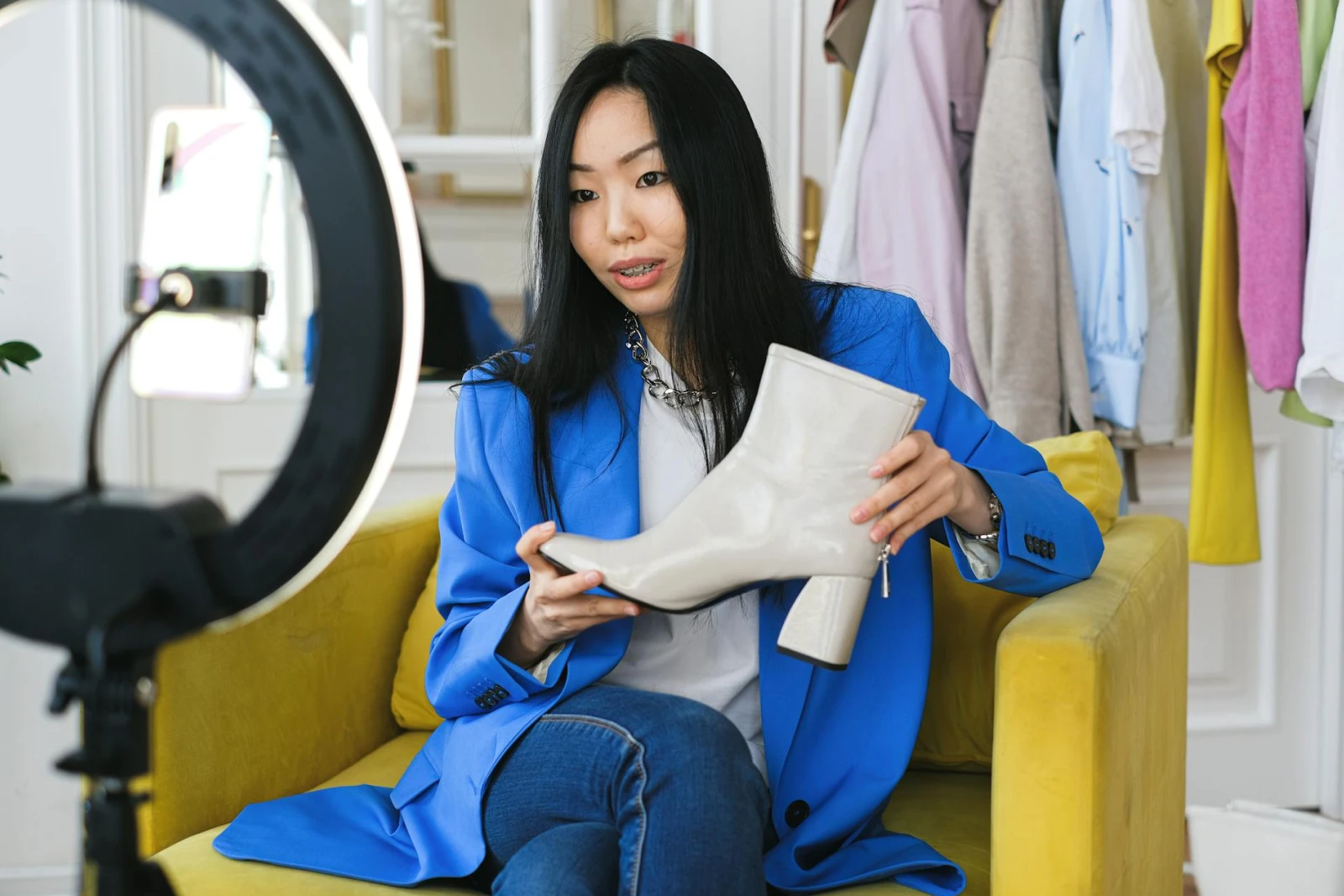
Product gifting involves sending creators free products in exchange for reviews or features. It’s a popular approach with nano and micro-influencers still building their portfolios.
That said, some creators may not appreciate gifting-only offers. Only 14% of all influencers accept them, so unless you’re working with nano-influencers, pair gifting with added compensation. You can opt to make them an affiliate partner or give them a fixed per-post fee.
7. Tiered performance bonuses
A tiered performance bonus combines the perks of affiliate and flat-fee compensation agreements. The flat fee pays for deliverables, while the bonus structure incentivizes creators to post more regularly since they hold “shares” in your brand’s potential sales. For example, Maëlys offered up to $275K in prizes based on sales thresholds.
This approach is more common on e-commerce platforms like TikTok Shop, where you can easily track user sales. Even modest bonus structures could provide enough motivation for your partners.
It’s a solid compensation model for peak seasons. With the right incentives and strategies, you and your partners can hit ambitious goals.
Source: Pexels
| Model | What It Is | When It Works |
|---|---|---|
Hybrid (Base + Commission + Bonus) |
Brands pair a base fee with a 10% to 15% commission, plus tiered performance bonuses that creators unlock as they hit sales or conversion milestones. |
Brands wanting accountability + creator buy-in |
Pure Affiliate/Commission |
Revenue share only, no upfront fee |
TikTok Shop, low-risk product testing |
Flat Fee + Usage Rights |
Content creation fee + separate licensing fee for ads |
Repurposing content for paid media |
Whitelisting Fees |
Monthly fee for brands to run ads from the creator's handle |
Performance marketing campaigns |
Retainer/Ambassador |
Monthly fee for ongoing content + exclusivity |
Long-term brand building |
Product Gifting + Commission |
Free product + affiliate commission (no flat fee) |
Nano/micro influencers, product seeding |
Tiered Performance Bonuses |
Base pay + escalating bonuses for hitting milestones |
Sales-driven campaigns, TikTok Shop |
FAQs about influencer compensation models for brands
What’s the best influencer compensation model?
The best model to follow depends on your overall influencer campaign goals. Paying a flat fee works best for awareness campaigns with hard-to-track performance metrics; affiliate links are great for minimizing risk, and retainer contracts are common in long-term partnerships.
Should brands pay separately for ad usage rights?
Yes. A sponsored post fee covers only that placement, not the rights to repurpose the content elsewhere. Most marketers add 20% to 100% to the base content fee, depending on the scope and platforms involved.
Do influencers get paid by Meta?
Yes. Meta offers built-in creator monetization programs tied to follower counts or watch time milestones. Influencers can also earn independently through brand sponsorships and paid posts, regardless of Meta’s programs.
In Summary
- Influencer compensation is shifting away from flat fees to performance-based payments.
- Hybrid compensation balances risk and performance during campaigns.
- Affiliate and commission-only models reduce upfront costs, but they generally only appeal to newer or smaller creators.
- Flat fees still apply for awareness campaigns, but usage rights and whitelisting add high costs when reusing content.
- Long-term partnerships, whether through retainers or ambassador programs, build stronger brand recall.
- Gifting works for nano and micro influencers, but more established creators expect additional payments.
- Tiered bonuses and performance incentives help drive higher output and better results during key campaigns.
Let’s create influencer marketing campaigns that deliver results
Knowing the right compensation model to follow is a budgeting task. For influencer marketing professionals, the hard part is building a roster of creators who can deliver results. With billions of people online, where do you start looking?
Jumpstart your campaigns with The Influence Agency. As an award-winning digital marketing agency, we connect brands with the most relevant professionals in their industries. Our team can help you build campaigns that convey your message, branding goals, and overall mission.
Call us today to book an initial consultation. Throw around some ideas with our team on who you’d want to represent your brand.