

Master the content creation process with advanced AI generation tools. Our guide explores prompt engineering techniques to help marketing teams produce relevant content, maintain a consistent brand voice, and streamline workflows using artificial intelligence to create high-impact social media posts and blog content.
Artificial intelligence is reshaping the content creation process. Today, AI content generation tools enable the efficient production of various content types while maintaining a consistent brand voice and streamlining workflows.
Using AI for content creators is no longer just a trend; it’s a competitive advantage. By experimenting with different AI prompts, marketing teams can discover new approaches to content marketing, improve creative ideas, and accelerate their output.
Start exploring AI content creation tools today to refine your prompt engineering techniques. Integrating AI into your marketing campaigns will unlock higher productivity and more relevant content for your target audience.
What is AI-powered content creation?
AI content generation is more than a simple shortcut for digital marketers. It’s the strategic application of artificial intelligence to produce text, images, video, and other digital assets at scale. Teams use these content generation tools to shape blog posts, social media posts, product descriptions, and landing page copy.
Powered by natural language processing and machine learning, AI platforms do more than just automate workflows. They reveal new angles, adapt the tone for different audiences, and surface fresh ideas that keep pace with cultural trends.
Basically, this means creating AI content that feels fresh, relevant, and fits right into the feeds where people are actually interacting.
Streamlining the creative process with AI tools
Using an AI content generator supercharges the content creation process. It speeds up the production of long-form content, ad copy, and visual content without sacrificing quality. More importantly, it helps marketing teams keep a consistent brand voice across every channel, from social feeds to blog hubs.
For marketers, AI content tools also help overcome writer's block. They spark new angles, refine messaging for different audiences, and keep blog content relevant in fast-moving digital spaces.
The payoff is scale with substance: teams can produce more while ensuring every piece still resonates with the target audience.

Image source: Freepik
Prompt engineering techniques: The 4s method and 5 principles
Prompt engineering techniques are critical for getting high-quality output from AI content generation tools. Effective prompts guide AI models to produce relevant content and creative ideas.
To master this, teams should use the 4s method of prompt engineering:
- Specific: Provide clear instructions and avoid vague language.
- Short: Keep the prompt concise but packed with necessary detail.
- Simple: Use straightforward language to guide the AI content generator.
- Structured: Organize the prompt with clear sections or bullet points.
Beyond the 4s method, following the five principles of prompt engineering ensures the generation of human-like text.
These principles guide AI models to better understand the nuances of the creative process, ensuring the AI-generated content aligns with your content strategy.
Core principles of prompt engineering include clarity, context, constraints, and iteration.
Clear prompts help AI content creation tools understand the task, while providing context, such as target audience, tone, or platform ensures more relevant content.
Constraints such as word count, format, or style keep AI-generated content aligned with the brand voice. Iterating on prompts allows teams to fine-tune output and achieve better results in content creation workflows.
Which AI model is best for content creation?
Many digital marketers ask: "Is ChatGPT still the best AI?"
While it remains a leader, the best AI content generator often depends on your specific goals. Modern AI tools enable marketing teams to produce blogs, social media posts, and video content with incredible efficiency.
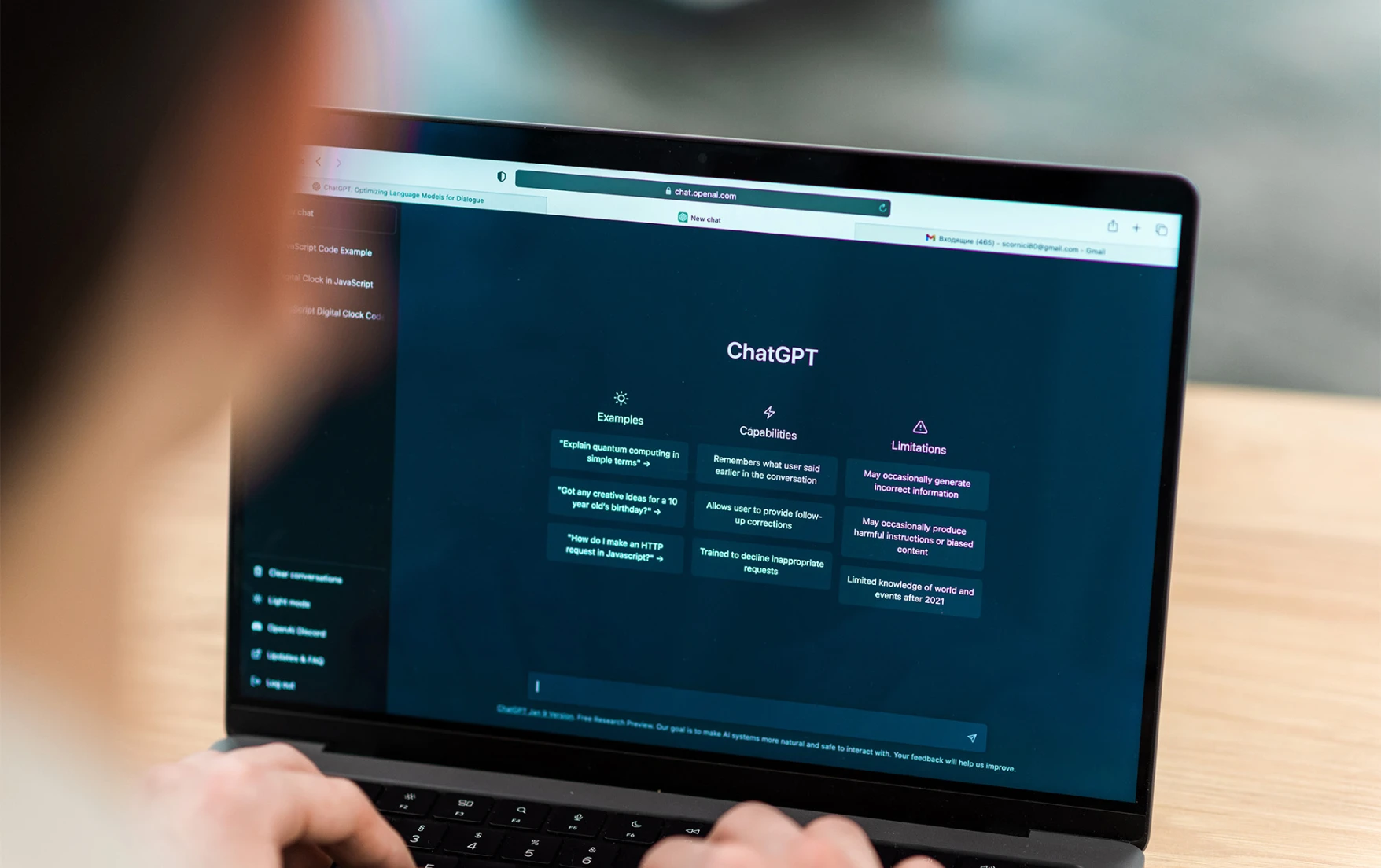
From conversational engines like ChatGPT to specialized generative AI tools like Jasper, GrammarlyGO, Writesonic, and Notion AI, these platforms are becoming the backbone of modern campaigns.
Integrating AI into your content strategy ensures you generate content ideas aligned with your audience's needs.
These prompt engineering techniques give teams more control over AI, enabling them to generate social posts, blogs, and ad copy at speed while still protecting brand voice and ensuring relevance across platforms.
Real examples of AI prompts that work
Teams across marketing, content, and design are already proving the value of AI-powered content creation. Marketers use them to generate ad copy variations in minutes. Creators use them to streamline blog posts and video editing scripts. Designers pair AI-generated text with visual content for unified campaigns.
The result is scale without dilution.
Campaigns move faster, the brand voice stays intact, and the content remains high-quality and relevant across every channel.
Best practices for effective content generation
To maximize your results with generative AI, follow these best practices:
- Specify the persona: Always tell the AI who it is supposed to be, such as a social media manager or copywriter.
- Use structured prompts: Bullet points and tables help the AI understand complex instructions.
- Set the scene: Include detailed instructions about tone, style, and content format.
- Test variations: Experiment with different prompts and engines to see which AI models provide the best results.
- Combine AI with human review: Always have human writers review AI-generated text to ensure quality, creativity, and contextual understanding.
These techniques give teams more control over the creative process. They enable you to generate social media posts and blog content at speed while protecting your brand and ensuring relevance.
FAQs about AI content generation
Key takeaways
The content creation process of the future
AI prompts are reshaping the way content comes to life, whether it’s a blog post, a social update, or a video script. The future will belong to teams that master clear, context-rich prompts. This turns AI from a simple tool into a true creative partner.
The takeaway is simple: experimentation drives advantage. Testing different prompts, iterating on what works, and folding those insights back into your workflows saves time.
It also sparks originality, adds depth, and gives your marketing campaigns the creative edge that your target audience will notice.
Ready to take your digital presence to the next level? Explore our content strategy services to see how we combine high-level strategy and creativity for measurable success.