


Discovery-first marketing is redefining how consumers find new brands in 2026. As traditional search engines decline, brand discovery through influencer marketing and social platforms is essential. Use these actionable insights to boost brand awareness and capture attention in feeds.
The future of marketing is arriving faster than you think, and the brands that adapt first will define 2026.
The year ahead marks a turning point for marketing as discovery-first marketing behavior overtakes traditional search. Consumers now find new brands through AI assistants, social platforms, and personalized feeds, making brand discovery trends more crucial than ever. Leading brands must rethink creative, strategy, and social approaches to capture attention and drive sales.
Explore these sharp, actionable insights across AI, creative, strategy, social, audience, and emerging tools to boost brand awareness and optimize product and brand discovery in a rapidly shifting landscape.
The rise of discovery-first marketing
In 2026, consumer engagement with new brands will shift away from traditional search engines. Audiences now explore, scroll, and rely on AI and social platforms to discover brands and research services.
This shift demands a fresh approach across every facet of marketing:
- Creative that captures attention in feeds to AI that guides trust recommendations.
- Data-driven strategies that anticipate discovery marketing moments.
- Social campaigns that reach consumers where they are.
The following sections break down the key trends and actionable steps marketers need to thrive in a discovery marketing world.
Creative that finds consumers before they search
Trend Insight: Your target audience often encounters your brand before they even think to search for it.
Why it matters: Short-form video, micro-moments, and social-native creative dominate discovery marketing. Consumers scroll, swipe, and explore feeds where AI and algorithms decide what captures attention. Static ads, print ads, and direct mail no longer guarantee product and brand discovery. Creative now drives brand visibility and shapes purchasing decisions before a search ever happens.
What to do next: Prioritize scroll-stopping content optimized for social media platforms and AI-driven feeds. Experiment with video, carousel, and interactive formats, and align creative with generation preferences to maximize engagement.
AI: The new brand gatekeeper
Trend Insight: AI is now the first filter between new brands and consumers, deciding which brands are seen and which remain invisible.
Why it matters: Consumers rely on AI-driven trust recommendations, from personalized shopping suggestions to curated social feeds. AI plays a role in product discovery and brand visibility.
What to do next: Ensure content, product pages, and creative assets are machine-readable and optimized for AI-driven digital channels. Test brand discovery signals across social platforms, AI assistants, and emerging tools to capture attention.
Strategy for a discovery-first marketing world
Trend Insight: Marketing strategy shifts from chasing search queries to anticipating discovery marketing moments.
Why it matters: Leading brands are reallocating budgets from traditional media and search ads to social platforms, influencer marketing, and digital channels where potential customers explore. Understanding how consumers find brands (through AI, social feeds, or word of mouth recommendations) directly impacts brand visibility.
What to do next: Integrate cross-channel campaigns, leverage data driven insights, and continuously test content placements. Align strategy with audience behavior to maximize brand visibility and drive sales.
Social platforms as discovery engines
Trend Insight: Social platforms are now primary engines for brand discovery, not just engagement.
Why it matters: TikTok, Instagram, Pinterest, and AI-driven feeds shape what consumers find and influence purchasing decisions. While traditional media like TV ads, print media, and offline channels still play a role, social media ads and influencer marketing drive attention and boost brand awareness more effectively.
What to do next: Create platform-native content, test different formats, and collaborate with creators through influencer marketing to optimize for brand discovery. Make it easy for potential customers to explore and find brands across social platforms.
How Gen Z discovers brands and products
Understanding how Gen Z discovers brands is essential for any discovery marketing strategy. This generation rarely starts a journey on traditional search engines. Instead, Gen Z uses social platforms like TikTok and Instagram as their primary search tools, relying on influencer marketing and word-of-mouth recommendations to vet new brands.
They prioritize authenticity and trust recommendations from peers over traditional media or tv ads.
To reach them, marketers must focus on:
- UGC (User Generated Content): This makes all the difference in building credibility.
- Influencer Round-ups: Curated lists connect consumers with trusted brands.
- Visual Search: Optimizing for how this generation uses images to discover products.
Understanding generational discovery habits
Trend Insight: Generational differences shape how consumers find brands.
Why it matters: While Gen Z and Gen Alpha live in social ecosystems, other generations have distinct habits. Millennials are highly active on social platforms, while baby boomers often prefer email, print ads, and direct mail. There is no one-size-fits-all approach, and tailoring content to these audience patterns makes all the difference in purchasing decisions.
What to do next: Map campaigns to generational habits. Customize creative and messaging to capture attention and optimize brand discovery across your target audience.
The fundamentals of brand identity and trends
To succeed in discovery marketing, a brand must have a rock-solid foundation. This starts with understanding the five pillars of brand identity: purpose, personality, visual identity, voice, and values.
When these pillars are aligned, it becomes much easier for potential customers to discover brands that resonate with them.
Recent trends in branding point toward "unfiltered" aesthetics and hyper-personalization. Marketers are also using the 3-7-27 rule of branding to guide their frequency: it takes 3 exposures for brand awareness, 7 for brand recognition, and 27 to become a leading brand in the consumer's mind.
Tools shaping discovery in 2026
The next chapter of discovery marketing is about being surfaced, not just seen. AI-powered content generators, advanced recommendation engines, and immersive AR/VR are rewriting how shoppers stumble upon, test, and trust leading brands.
Discovery no longer begins with a search bar: it happens within feeds, assistants, and games. These tools make brand visibility feel organic, weaving messages into the spaces where consumers already spend their time.
The result: influence before intent.
AI helps decode the signals (what people pause on, share, or skip) while human insight ensures the content feels authentic.
The brands that win in 2026 will be the ones optimizing for discovery itself. They’ll treat every touch point (social feeds, AI prompts, AR try-ons) as an entry point, not an afterthought. Marketers can blend creativity with data to engage audiences early and guide them seamlessly through the discovery process.
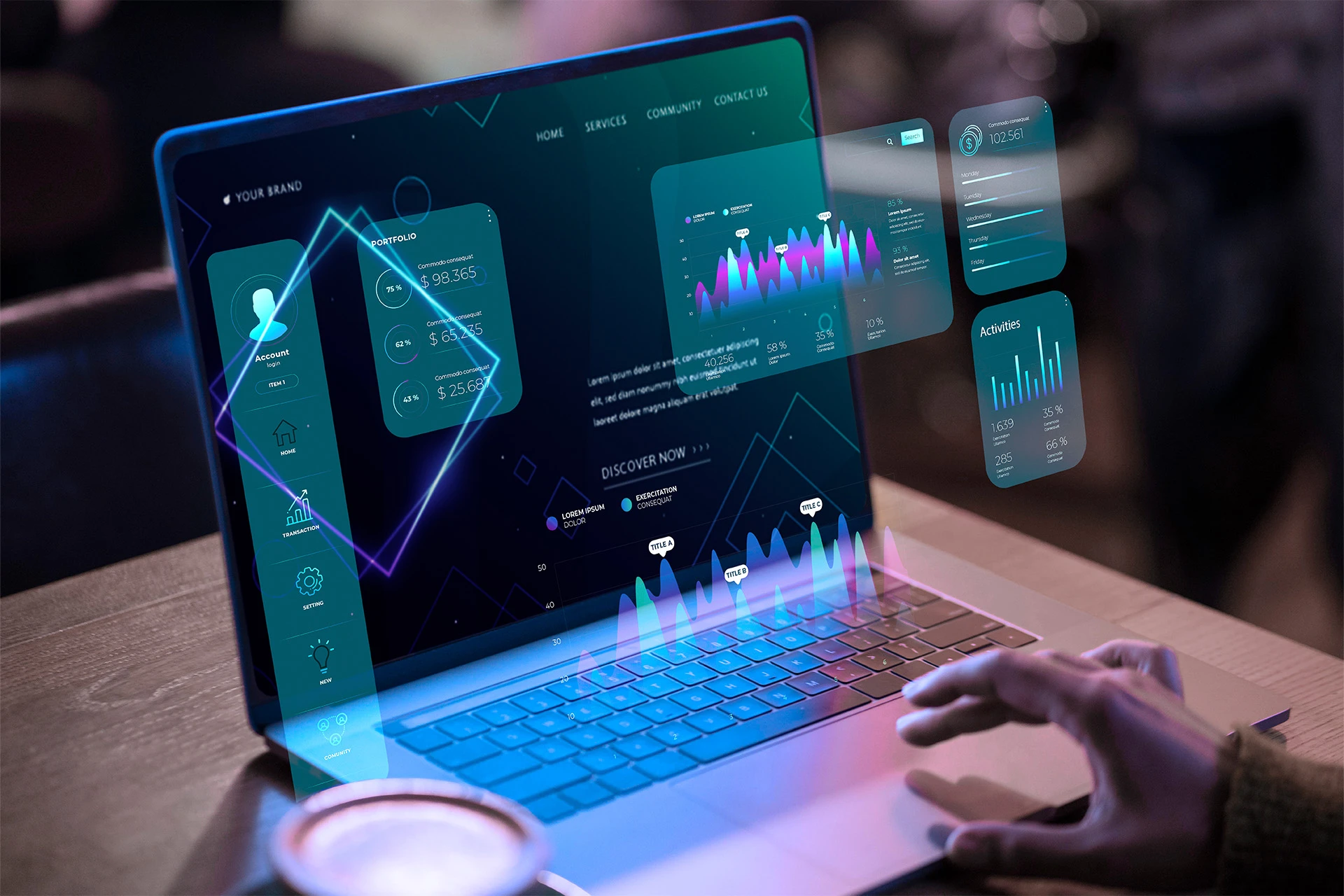
Image source: Freepik
FAQs about brand discovery
Key takeaways
Meeting consumers where discovery happens
In 2026, discovery first marketing shifts from experiment to expectation. Consumers are not typing into search bars; they’re scrolling, swiping, and letting AI cues do the heavy lifting. Discovery happens in the flow of daily life, and the brands that matter most are the ones that appear naturally within it.
Winning in this new terrain takes:
- Machine-readable content designed for digital channels.
- Creative built to capture attention and stop the scroll.
- Strategies rooted in generation behavior and data.
The brands that lead will treat discovery as a discipline. They’ll partner with creators who drive relevance, experiment with new brands, and make every touch point optimized for brand visibility. For marketers, the mandate is simple: meet consumers where discovery already happens.
Every detail, from the way a product surfaces in a TikTok loop to how it’s framed in an AI assistant’s suggestion, shapes the path toward purchase before intent even forms.
Ready to lead the shift toward discovery? Whether you’re looking to tap into our global network of over 2.5 million influencers or need a data-driven SEO strategy that stands out to AI-driven search engines, our team at The Influence Agency is here to help you drive measurable growth.
Explore our Influencer Marketing services to start building authentic connections today.