


Mapping personas to platforms is essential for modern content strategy. By aligning detailed personas with discovery algorithms, product teams can address specific pain points and journey maps. This discovery-first approach ensures your target audience finds relevant, engaging content at every stage.
Mapping personas to platforms is smart marketing, but it’s also essential for survival in a crowded digital space.
Audiences don’t scroll the same way everywhere: Google signals intent, TikTok sparks impulse, and newsletters build loyalty. By aligning mapping personas with the platforms where discovery happens, brands move from broad targeting to precision-driven storytelling that actually lands.
AI enables this persona-mapping process at scale. Algorithmic insights reveal not only what people search, watch, or read, but the mindset behind each action. The result is content that feels built for the moment and for the medium, cutting through the noise, deepening engagement, and driving measurable ROI.
A discovery-first content strategy ensures the right content finds the right audience at the right time.
Why a discovery-first approach matters
Gone are the days of one-size-fits-all content strategies. Today’s digital landscape demands precision over volume, and a discovery-first methodology is at the heart of this shift. Instead of broadcasting generic messages, brands now tailor content to meet distinct personas across their preferred social channels.
Mapping personas to platforms ensures content lands where it matters most, aligned to the right moment in the user journey. Marketers combine personal attributes and pain points to create resonant, engaging messages.
Persona mapping helps teams understand why persona development is so crucial: it bridges the gap between a product and the human beings who use it. AI supercharges this process, turning raw data into dynamic audience maps that track behavior, preferences, and channel interactions.
Building your AI-driven content strategy
In today’s data-rich landscape, AI is reshaping how product teams build and map personas. Instead of relying on intuition or static profiles, AI helps collect data at scale, analyze real behavior, and create detailed personas that reflect true preferences.
This deeper understanding reveals insights traditional research often misses.
AI excels at spotting trends, segmenting target customers by psychographics and demographics, and tracking behavior patterns across a social platform. With AI-powered journey maps, brands can see the entire user journey: pain points, interaction stages, and the content formats that resonate at each moment.
For example, one major retailer used AI-driven persona mapping to align content with specific platforms and buyer personas. The result was greater relevance, stronger organic reach through algorithmic discovery, and a measurable boost in ROI.
Harnessing AI for persona-to-platform mapping is no longer optional as it has become the foundation of a discovery-first strategy that delivers personalization, precision, and performance.

Image source: Freepik
Persona + topics + content mix strategy
Creating a successful content strategy goes beyond simply knowing who your target audience is. It requires a thoughtful balance of topics and content formats tailored precisely to your distinct personas. Mapping personas to platform-specific content involves understanding your audience and how they prefer to engage at different journey phases of their customer journey.
Each persona has unique preferences for content type, timing, and format.
For example, a detailed persona might reveal that busy professionals favor short, actionable videos during work breaks on LinkedIn, while younger users gravitate toward snackable user-generated TikTok content in the evenings.
Understanding these personal attributes helps marketers tailor content that fits naturally into user routines, improving discovery and engagement.
Matching the right topics and tone with audience priorities is equally important. Content that addresses pain points and motivations from your journey maps is more engaging. Tailor content, tone, and messaging to meet the expectations of different personas and platform culture.
A well-crafted mixed content strategy can also expand your reach across multiple channels without diluting your brand message. Using diverse formats such as blogs, infographics, and videos addresses different learning styles. This approach ensures a holistic view of the customer journey, providing multiple touch points that drive engagement at every stage.
Persona-to-platform mapping
For maximum impact, understand which content types and platforms best align with your distinct personas.
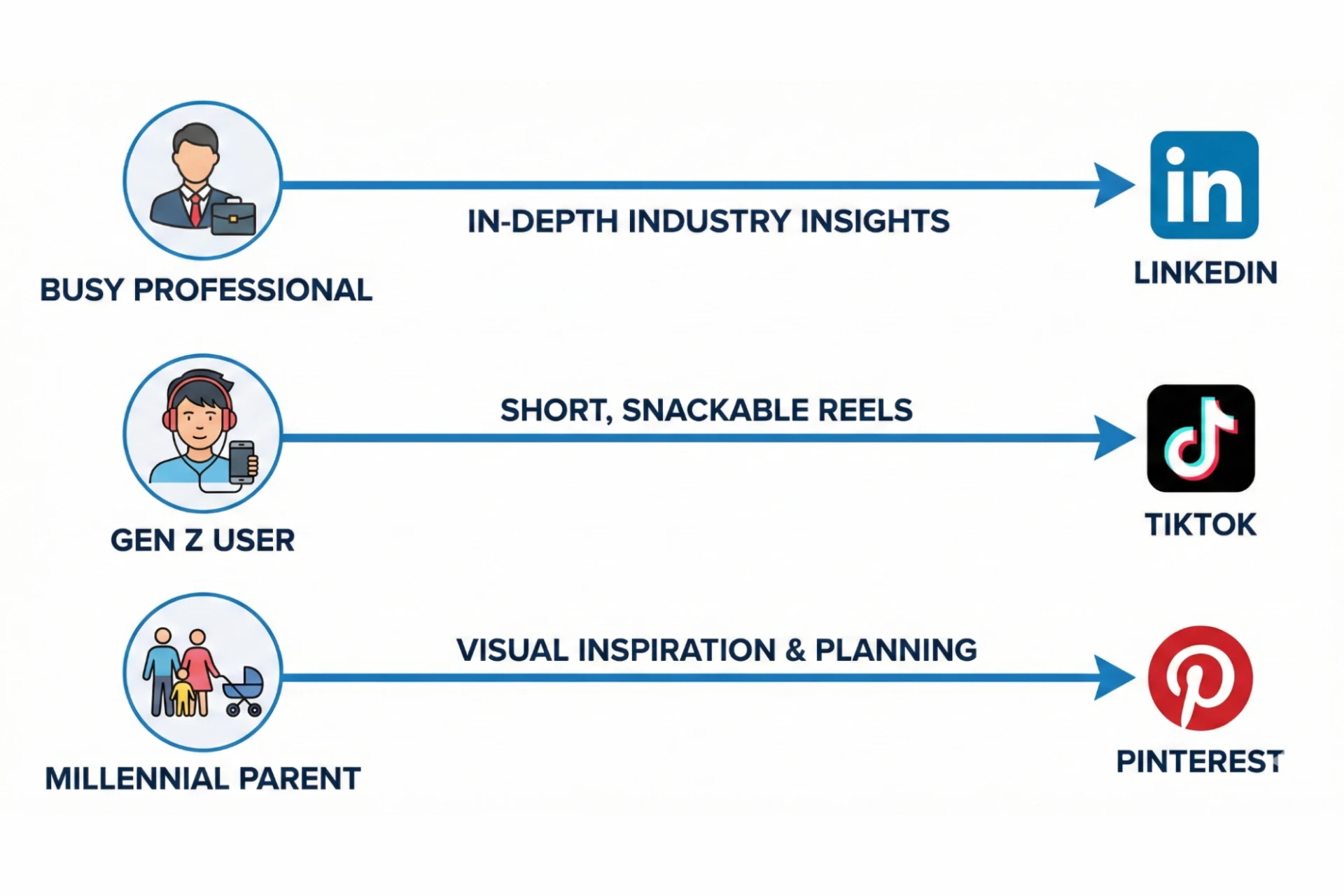
Image Source: AI-Generated
Consider how a Gen Z fashionista’s spending decisions are strongly influenced by TikTok Reels. They’re short, visually engaging clips that align with their preference for quick, scroll-friendly content.
Meanwhile, professionals seeking thought leadership and industry insights respond better to in-depth, informative posts on LinkedIn. These differences highlight why persona mapping is important for tailored content strategies based on user insights.
A quick persona mapping process might look like this:
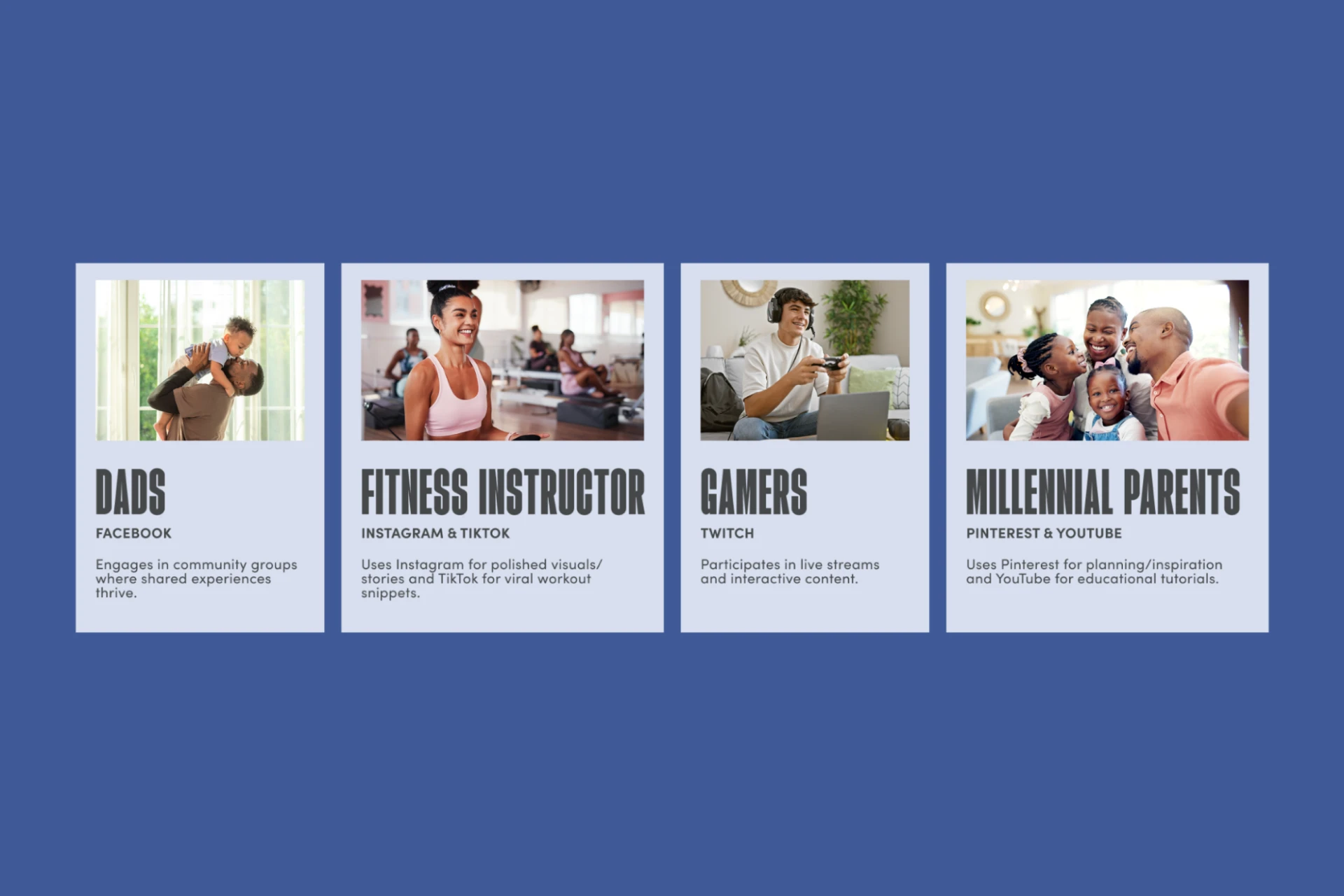
Discovery algorithms on each platform further refine content delivery by analyzing user interactions, preferences, and behavior patterns. When marketers align content formats and topics with these algorithms, they enhance visibility and relevance, ensuring content reaches the right audience at the right moment in their customer journey.
Brands can create targeted, discovery-driven campaigns by merging persona insights with platform-first strategies.
Aligning content types with platform discovery engines
In the age of algorithm-based content discovery, understanding how each social platform's unique discovery engine works is needed for building an effective content strategy. Whether it’s TikTok’s focus on quick bursts of entertaining content, YouTube’s emphasis on watch time, or Instagram Reels’ responsiveness, each social channel demands tailored content formats.
Mapping personas to platform-specific content means creating relevant topics and the right content types optimized for each algorithm.
For example, TikTok’s discovery algorithm favors short, catchy videos that hook viewers within seconds, making snackable content essential for reaching younger, scroll-first audiences. YouTube rewards longer, engaging videos that keep viewers watching, which is ideal for research-oriented personas.
Tailoring your calls to action (CTAs) to fit each platform’s format and user behavior also boosts performance:
- A TikTok video might end with a simple swipe-up prompt or hashtag challenge
- A YouTube video can include links to detailed resources or subscription asks
- Instagram Reels may use interactive stickers or polls to enhance engagement
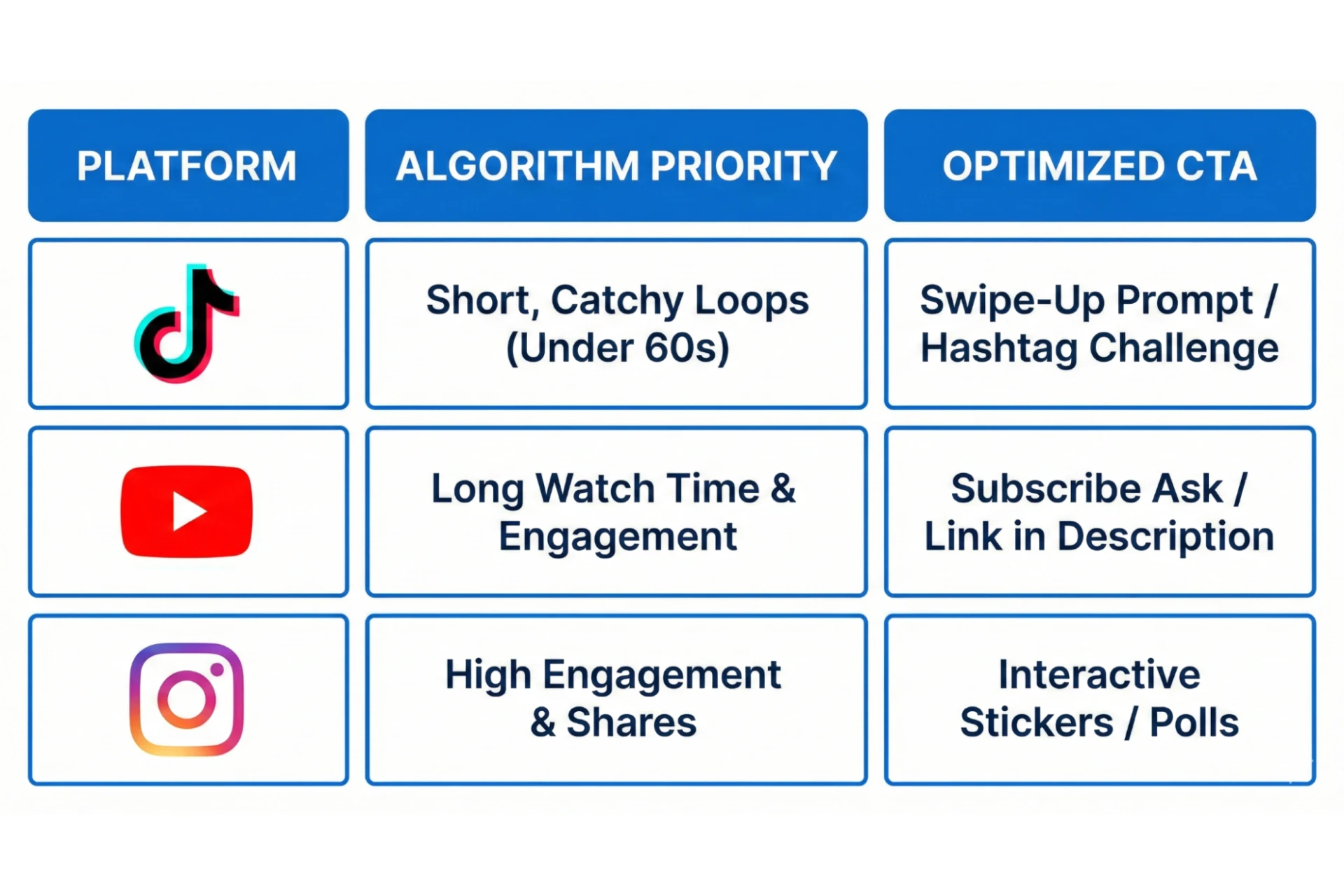
Image Source: AI-Generated
FAQs about mapping personas to the customer journey
Key takeaways
Precision in content creation and delivery consistently outperforms strategies based solely on content volume. Rather than flooding channels with generic posts, focusing on platform-first thinking and persona-aligned messaging ensures every piece of content is designed for discovery, relevance, and impact.
This approach fuels deeper engagement, earns algorithmic lift, and creates a faster, more seamless path to conversion.
Building a strategy that resonates with your audience starts with the right insights. If you’re ready to turn discovery into growth, explore how our influencer marketing and social media solutions can connect your brand with the right voices on the right platforms.